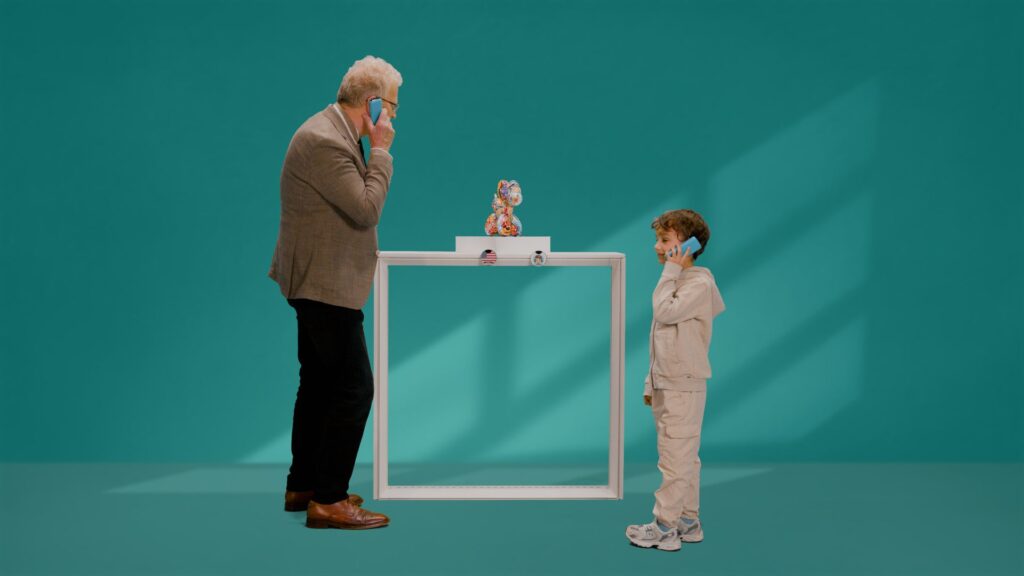
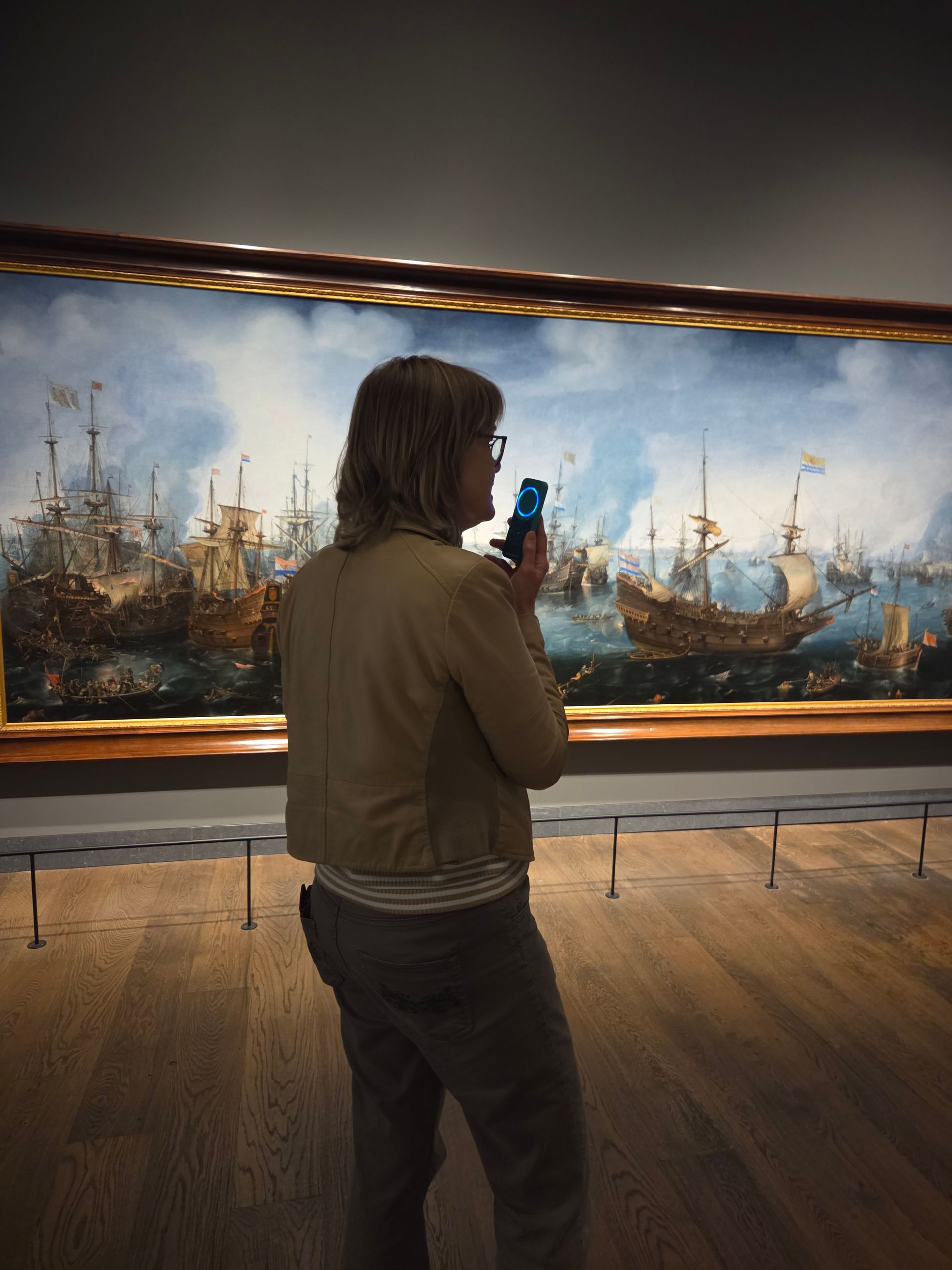
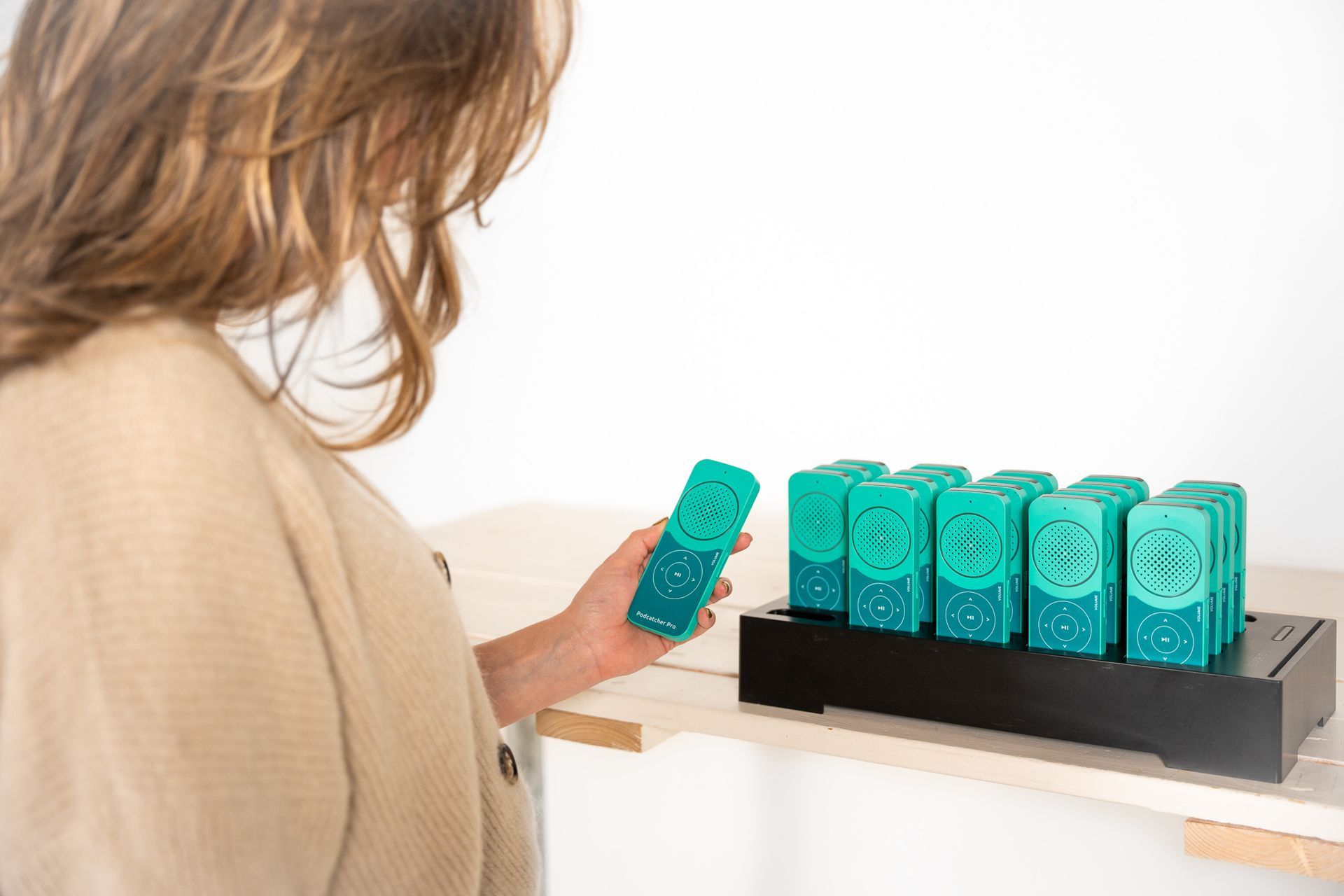
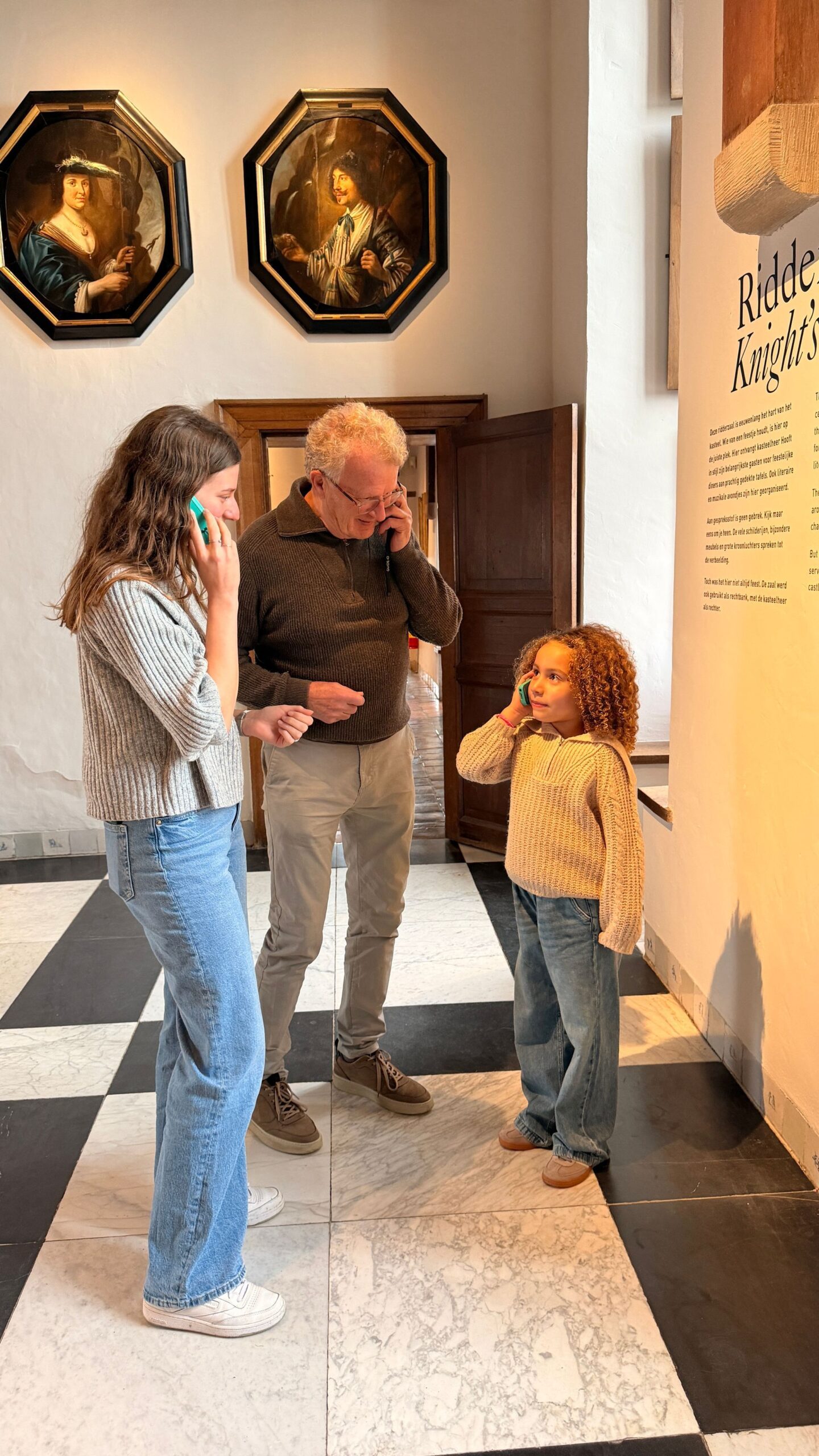
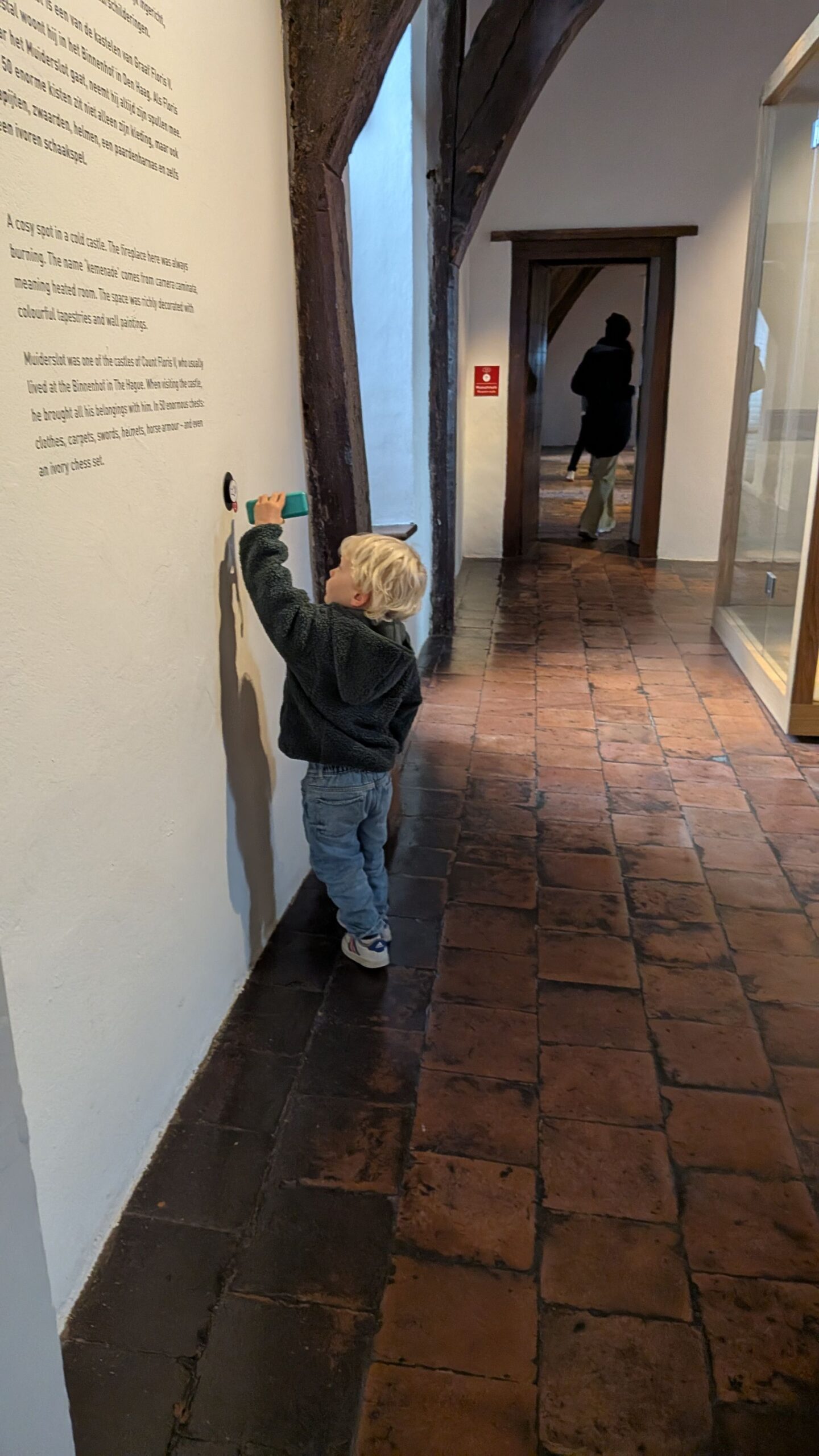
One of the things I love most about my role at Guide-ID is the chance to meet our clients in person. No two museums or cultural sites are the same, and every visit is an opportunity to learn, share insights, and see first-hand how our Podcatcher Pro audio tour device is making an impact. There’s something invaluable about stepping into an exhibition space, watching visitors engage with an interactive audio tour, and understanding the challenges and opportunities unique to each location. It’s in these moments that we can really help museums optimize their storytelling, making experiences more immersive, accessible, and engaging.
Business Trips
Last September, I had the chance to present at the Historic Naval Ships Association conference in San Diego, where I spoke about the importance of simplified audio delivery. Later, onboard the USS Midway, I saw exactly what that meant in practice — watching visitors effortlessly connect with stories through audio, free from distractions or complicated technology. That kind of real-world experience reinforces why keeping things simple is so important.
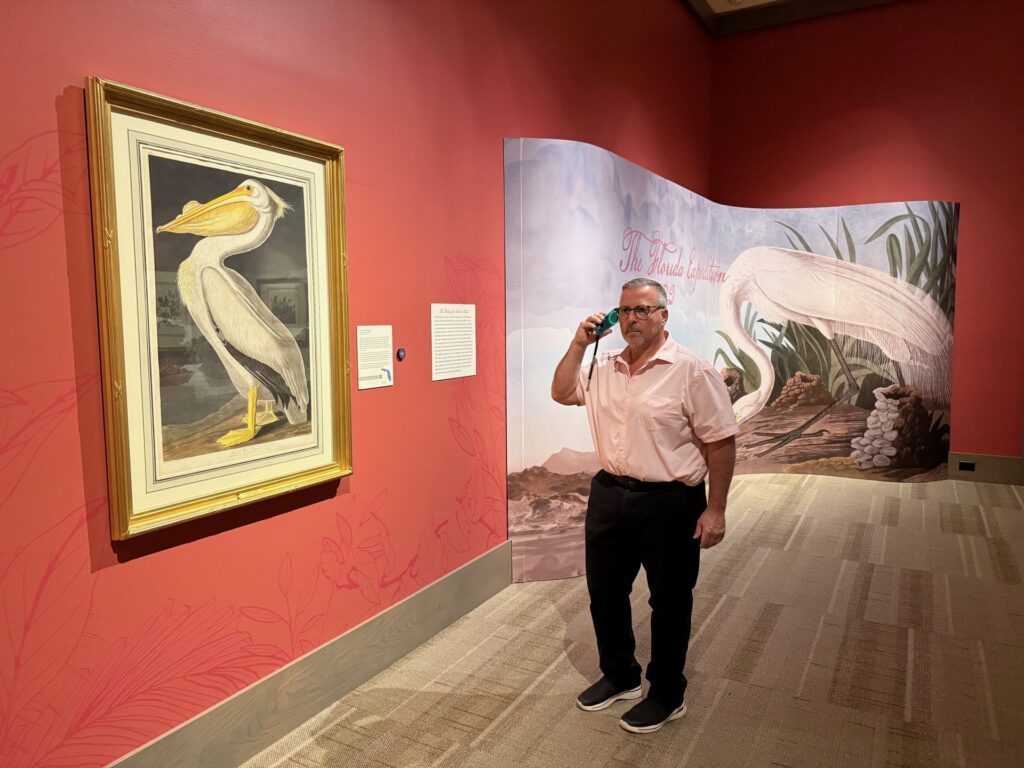
A few months later, in November, I visited the Museum of Arts & Sciences in Daytona Beach, Florida. Their team had recently introduced the Podcatcher Pro, and the feedback was overwhelmingly positive. Seeing visitors fully immersed in the exhibition, moving through the space without barriers or distractions, was a reminder of how much a well-designed audio guide can enhance a museum experience.
In January, I traveled to Honolulu, Hawaii, to spend time at the Pearl Harbor Aviation Museum. Seeing their audio guide operation in action was impressive, and it was clear just how important reliable storytelling, in multiple languages, is in a high-traffic, large-scale setting. Moments like these highlight how crucial it is to have technology that works seamlessly, so visitors can stay focused on the story rather than the device.
And just a few weeks ago, I was in New York City for the launch of the Podcatcher Pro at the Anne Frank Exhibition at the Center for Jewish History. Watching visitors engage with such a powerful story through audio was a deeply moving experience. It reinforced what we at Guide-ID believe in so strongly: when technology fades into the background, the story takes center stage.
More than just business trips
Each of these experiences is a reminder of why we do what we do. Meeting museum teams, understanding their needs, and learning from their visitors allows us to continuously refine and improve our approach. The best audio guides don’t just provide information — they create a deeper connection between visitors and the stories being told. And the best way for us to support that is by being there, in person, listening, learning, and helping to shape the future of museum storytelling.
I’m already looking forward to the next visit – so, be sure to follow me on LinkedIn.
At Guide ID, we believe technology should enhance storytelling — not complicate it. Museums and cultural sites work hard to create meaningful, immersive experiences, but when it comes to audio tours, challenges often arise. Large groups, background noise, and language barriers can make it difficult for every visitor to fully engage with the story being told.
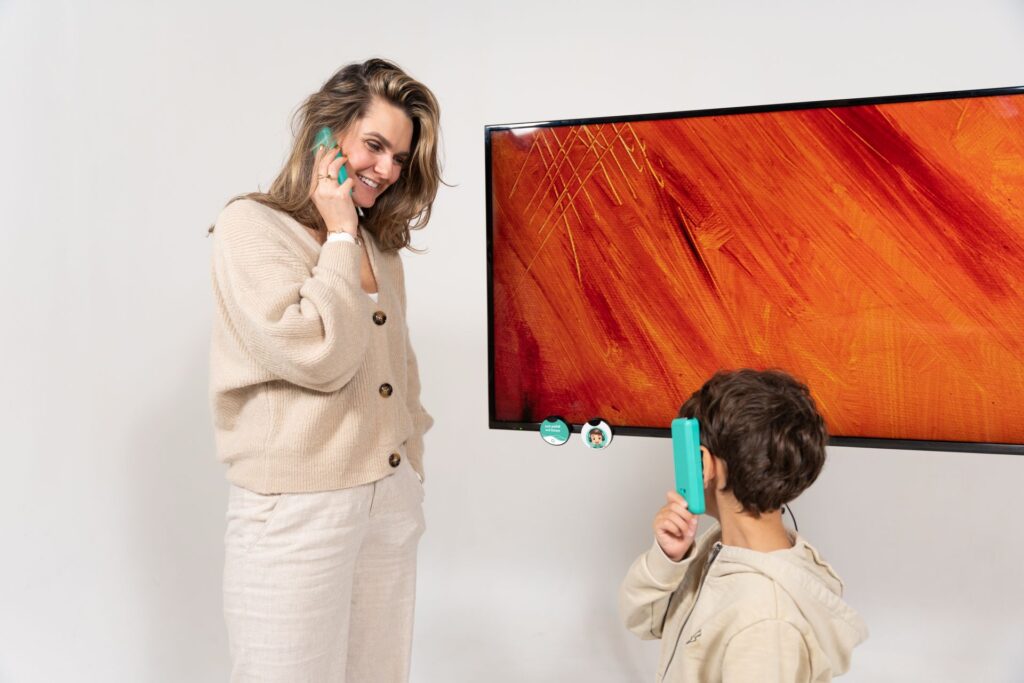
That’s why we developed Group Tour Mode for the Podcatcher Pro, a Hi-Fi audio guide device for museums. This simple yet powerful feature synchronizes audio for an entire group, ensuring that every visitor enjoys a seamless, audio-only tour experience without distractions.
The Challenge of Traditional Group Tours
Anyone who has led a group tour knows the struggle. Some visitors are too far from the guide to hear clearly, while others get distracted and fall behind. If a traditional audio guide is used, guests might struggle to enter the right number or start the correct track. Meanwhile, noisy environments — whether in a bustling museum or an open-air heritage site — can make communication difficult.
Even when a tour guide system is available, it often requires cumbersome equipment, multiple frequencies, or unreliable connections. As a result, tours can become disjointed, leaving visitors disengaged from the content that should be drawing them in.
The Podcatcher Pro audio guide solves these problems by ensuring that every visitor hears the right content at the right time — without needing to press buttons or adjust settings. It’s an audio tour device designed to improve flow and reduce distractions during group experiences.
How Group Tour Mode Works
Group Tour Mode is designed to give guides complete control over the visitor experience. Using a Bluetooth DECT tour guide system, the Podcatcher Pro allows guides to seamlessly broadcast their voice or trigger pre-recorded content across multiple devices in real time.
Here’s how it works:
– The guide connects their Podcatcher Pro to all the devices in the group with one simple action — no complicated setup required.
– Visitors’ devices automatically sync, ensuring everyone hears the same content at the same time.
– The guide can switch between live narration and pre-recorded audio, depending on the experience they want to create.
– The system is fully hands-free for visitors — no need to manually select tracks or enter numbers.
– Content can be delivered in multiple languages, making it an inclusive solution for international audiences.
This interactive museum device allows guides to focus on storytelling rather than logistics. Whether leading a school group, a VIP delegation, or an international audience, Group Tour Mode ensures that every visitor is equally immersed in the experience.
A More Immersive and Accessible Experience
The best museum technology for tours is invisible to the visitor—it simply works. With the Podcatcher Pro, guests remain fully engaged in their surroundings, focusing on the art, history, or cultural artefacts in front of them rather than fumbling with devices or struggling to hear the guide.
For institutions focused on improving visitor engagement with audio guides, Group Tour Mode is a game-changer. It eliminates common tour frustrations, making the experience more intuitive, immersive, and enjoyable. Whether used in museums, heritage sites, or outdoor historical locations, it ensures that every visitor — regardless of age, language, or technical ability — can access the full depth of the storytelling.
At Guide ID, our mission is to create effortless audio tour guide systems that enhance museum experiences. The Podcatcher Pro is more than just a museum audio guide system — it’s a tool that brings history, culture, and storytelling to life.
Want to see how Group Tour Mode can transform your visitor experience? Let’s start a conversation.
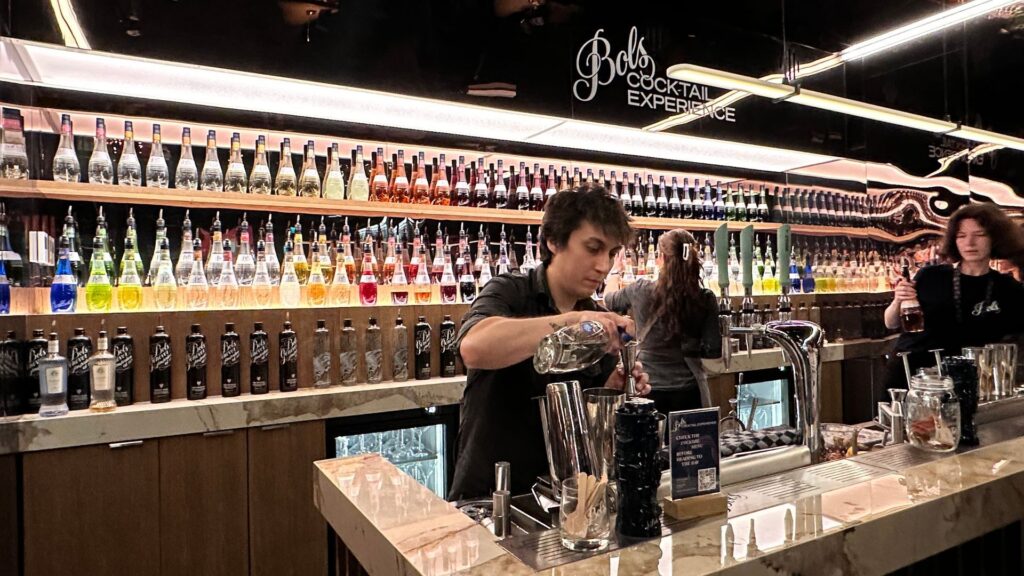
Just around the corner from Museumplein in Amsterdam, is Bols Cocktail Experience, a multisensory space that brings to life the fascinating story of one of the world’s oldest distilled spirit brands. Through immersive storytelling, visual design, aromas, and sound, visitors step into the vibrant world of Bols, which has been crafting flavors since 1575.
An all-inclusive journey through time and taste
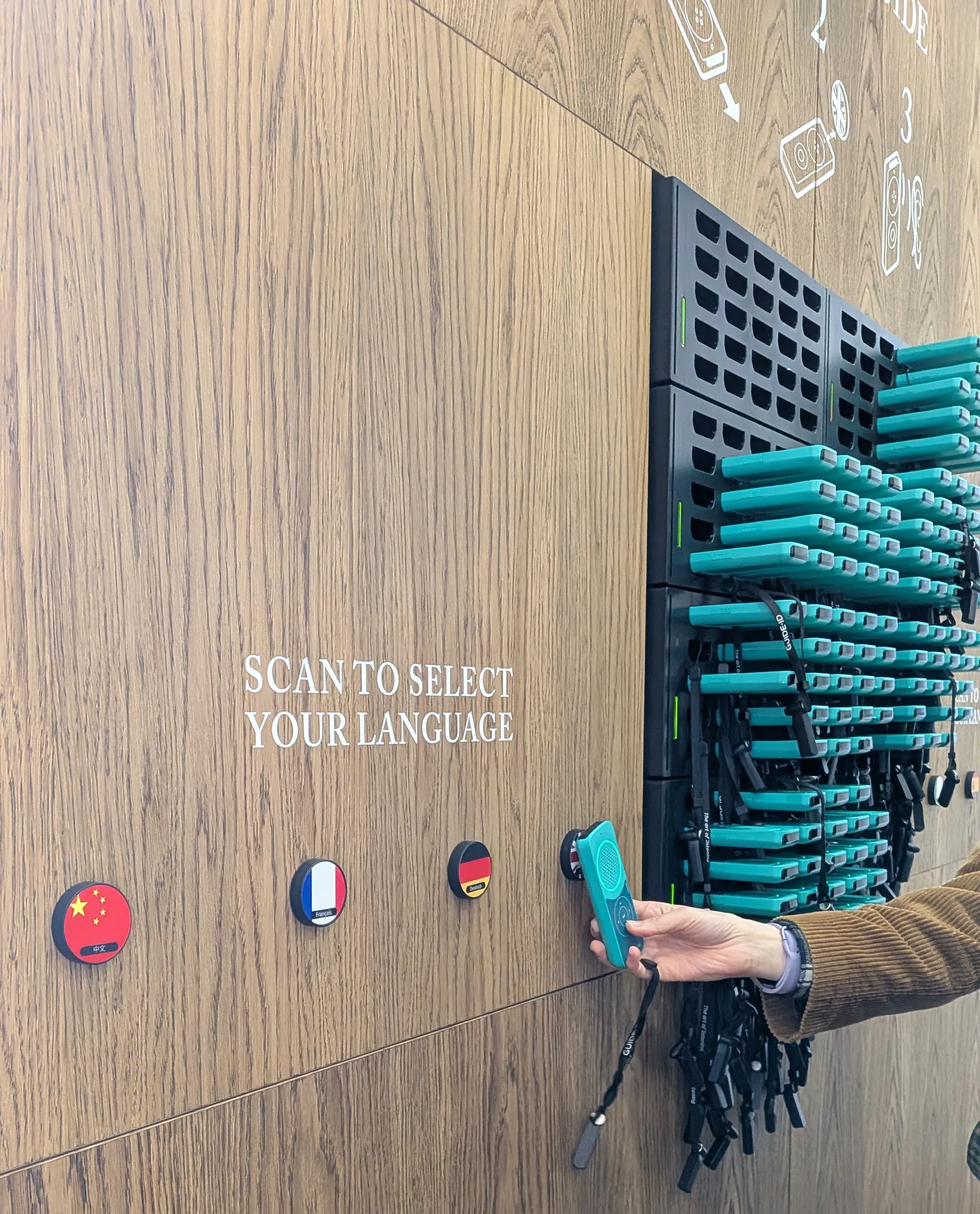
At the start of the tour, visitors grab a self-guided audio only tour device and choose from different languages — Dutch, English, Spanish, Italian, French, German, or Chinese. With a simple setup, they’re ready to go and explore the history of Bols, from its founding by Pieter Jacobsz Bols to its global expansion under his son, Lucas Bols.
The exhibition walks guests through centuries of heritage and innovation, including the brand’s iconic partnership with KLM and their signature Delft Blue houses filled with Bols Genever.
From the roots of distillation to the herbs and spices that defined their early recipes, the storytelling goes deep into the craft behind Bols spirits. And of course, no visit is complete without the cocktail section, where visitors not only learn to mix like a pro but also get to enjoy a freshly crafted drink at the end.
One of the most remarkable aspects of the Bols Cocktail experience is how inclusive it is. With its easy-to-use audio guide device, visitors of all ages can enjoy the experience without the hassle of scanning codes or relying on phones and earphones — which can often reduce engagement or cause distractions. This audio-only format helps reduce distractions, allowing guests to stay fully immersed in the experience.
In addition to that, they offer the tour in seven languages, welcoming a diverse, global audience by breaking down language barriers and delivering high-quality mutlingual narrations.
Tours in seven different languages, what a job, huh? This may sound like a costly and time-consuming production. But actually, it wasn’t like that. Bols didn’t need to hire a full creative team or voice actors for every language. Instead, they turned to AI-powered storytelling with the help of Guide-ID’s tour editor platform.
How AI made it all possible?
Using Guide-ID’s AI content tool, the Bols team was able to create high-quality, multilingual audio tours in just a few steps, without studio recordings and no complicated production timelines.
With its text to speech integration, the platform helps to generate lifelike, human-sounding narration in minutes. Teams can choose from a range of voices — male, female, or non-binary — apply them to more than 30 languages and customize the tone that suits the atmosphere of the exhibition.
Even when starting from scratch, the system can generate full scripts based on inputs like theme, audience, and tone. Having as a result content that feels tailored, professional, and aligned with the spirit of the exhibition.
Smarter tools, same human touch
“AI doesn’t replace creative teams; it supports them”. By handling time-consuming tasks like structuring scripts, translating content, and voicing narration, the platform lets them stay focused on what matters most: telling meaningful stories that engage with the users and improve visitor engagement with audio guide experiences.
And once the draft is ready, the content can be fine-tuned by using Guide-ID’s editor, then it converts it into natural-sounding audio using premium tools from Microsoft and ElevenLabs, ready to be played through the Audio-only tour device Podcatcher Pro.
As the Guide-ID product team puts it:
“AI handles the structure, the translations, and the groundwork. But the heart of the story — the facts, the narrative choices, the emotion — still comes from the museum.”
A new chapter for cultural storytelling
By integrating AI into their workflow, Bols Cocktail Experience has shown what’s possible when tradition meets technology. They’ve unlocked a flexible, cost-effective way to create and update content and raised the bar for what a modern, interactive experience can be.
It’s proof that even a 450-year-old story can be told in a fresh, dynamic way with the right tools and a little help from AI.
If we’ve sparked your curiosity and you’d like to see how the platform works, follow the link to explore this powerful tool: Guide-ID | Our Content Management System, the Platform
From faster workflows to multilingual storytelling, Guide-ID’s smart AI tools are changing the way museums engage their visitors.
In recent years, artificial intelligence has made its way into almost every corner of our digital lives. But at Guide-ID, the question has never been “How can we use AI?” — it’s been “How can AI make life easier for museums?”
The answer lies not in flashy gimmicks or futuristic hardware, but in a quiet revolution behind the scenes. While the Podcatcher Pro audio guide continues to deliver an intuitive, reliable visitor experience, it’s the content creation process — often one of the most time-consuming challenges for cultural sites — that’s getting a powerful AI boost.
Smarter tools for better stories
Creating engaging audio tours has traditionally involved weeks of writing, reviewing, translating, recording, editing… and repeating the cycle whenever something changed. For smaller museums, that process could be daunting. For larger ones, it was just resource-heavy. But now, with Guide-ID’s AI-powered content tools, museums can go from concept to professional-quality tour in a matter of minutes.
Using the platform’s built-in assistant, museum teams input just a few key details — like exhibition themes, intended audience, and tone. From there, the system gets to work, generating full audio tour scripts that are tailored to the context and ready for review. The result is fast, high-quality content that still feels curated and thoughtful.
And it doesn’t stop at scripts. Our platform acts like an AI tour manager. It can automatically suggest additional stops, adjust tone of voice, and even translate the entire tour into multiple languages — all while maintaining cultural nuance and historical context.
Bringing accessibility and creativity together
What makes this especially powerful is the accessibility it offers to teams with limited time or technical experience. With AI doing the heavy lifting, creating professional tours becomes less about having the right software skills and more about storytelling.
Museums can then personalise the AI-generated content using the platform’s built-in editor — tweaking wording, adjusting facts, or adding their own voice. Once finalised, premium text-to-speech tools from Microsoft and ElevenLabs turn the scripts into lifelike audio, ready to play through the Podcatcher Pro.
What was once a weeks-long process becomes a simple, intuitive workflow — one that saves time, money, and stress, without compromising on quality.
A collaborative approach — not a replacement
Of course, there’s a natural concern that AI could overshadow the role of curators and content creators. But that’s not the Guide-ID way. Instead, the AI is designed to act as a co-creator: taking care of repetitive or technical tasks, while leaving museums firmly in control of the content’s meaning, tone, and intent.
It’s about supporting creative teams, not replacing them.
“AI handles the structure, the translations, the groundwork,” says the product team. “But the heart of the story — the facts, the narrative choices, the emotion — still comes from the museum.”
What’s next: personalisation, insights, and beyond
The future is even more exciting. Guide-ID is already working on tools that will allow audio guides content to adapt dynamically to visitor preferences, interests, or time constraints. More advanced audio guide analytics are also on the horizon, helping museums understand which stories resonate most and how visitors are engaging with their tours.
Other developments include even more natural voice synthesis and a deeper integration between the content platform and museum operations — all aimed at helping institutions evolve their digital storytelling in meaningful, scalable ways.
Supporting storytellers of every size
For institutions of all shapes and sizes, this AI-enabled approach is a game changer. Whether it’s a large attraction experimenting with new formats or a small local museum looking for a low-barrier entry into digital interpretation, the Guide-ID platform makes professional audio experiences more accessible than ever before. These tools don’t just make storytelling easier, they help improve visitor engagement with audio guide content that feels alive and personal.
By combining smart content tools with the simplicity of the Podcatcher Pro, museums are better equipped to focus on what really matters: telling great stories, in a way that’s authentic to them.
Curious about becoming a Guide-ID partner?
Visit guide-id.com/partner to learn how we can support your audio journey.
Batman and Robin, Mario and Luigi, Sherlock and Watson, Han Solo and Chewbacca—what do they have in common? They’re some of the most iconic duos of all time. And today, we have a new one to add to the list. Ready? Drums please… the Podcatcher Pro and its Tour Editor Platform.
The Cultural World’s Super Duo
When it comes to the cultural world, this duo brings top-level performance. Their superpower? Driving visitor engagement while empowering creative teams.
We can’t talk about the Podcatcher Pro without mentioning the Tour Editor Platform. The two complement each other like no other. But how do they actually work together?
Think of it this way: the Podcatcher Pro takes care of the visitor-facing experience, while the Tour Editor Platform works behind the scenes.
When visitors arrive, the Podcatcher Pro delivers a high-quality audio tour, guiding them through stories in as many languages as needed. And it does all this without requiring Wi-Fi, QR codes, or external accessories. It’s simple, reliable, and always ready to go.
As the Podcatcher Pro moves through the exhibition with visitors, it isn’t only telling stories. It is also quietly collecting valuable tour data, such as where visitors spend the most time, which stops they skip, and how they move through the experience.
But all of this becomes truly useful through Guide-ID’s Audio Guide Analytics and Tour Editor Platform—the command centre for creative teams.
This is where teams can analyse visitor data, update tours, and create new content to keep exhibitions fresh and relevant.
This AI-powered museum audio tour platform brings together automation, analytics, and storytelling in one seamless solution.
Let’s Dig into the Data
Want to know how many tours have been played today, this month, this year, or across the entire lifetime of your exhibition? The platform gives you insights that help reveal trends and support data-driven decisions.
Here’s what you can track:
Number of tours played
Total stories shared
Tour duration
Average number of stops visited
Most popular and most skipped stops
Finished audio clips versus abandoned ones
Number and size of group tours
Pay close attention to these insights and you’ll quickly realise that this data is more than a collection of numbers—it is real feedback from your audience. Use it wisely, and you can continuously improve visitor engagement and refine the experience based on how people actually use your tour.
Build and Improve Tours in One Place
Now that you know how the data works, let’s talk about the Tour Editor itself. Oh… and did we already mention that it’s AI-powered? We’re incredibly proud of this feature because of the freedom it gives creative teams.
So, what can you do with the platform? You can create, edit, and update your own tour content on your own terms, reducing the need for expensive outsourcing and time-consuming production processes. Work that once required several suppliers and lengthy production cycles can now be managed directly by your own team.
You Can Choose Between Two Types of Tours:
Text-to-Speech Tours
AI-Generated Tours
Text-to-Speech
With Text-to-Speech, you can create natural, expressive narration without the hassle of organising recording sessions or hiring voice actors for every update. The AI supports more than 40 languages, with a selection of different voices to help match the tone of your exhibition.
Already have audio content? No problem. Upload it to the platform and generate an editable script that you can review, adapt, or translate.
In Amsterdam, House of Bols – Cocktails and Genever Experience used AI narration to convert its tour into seven different languages, helping reduce the language barrier and make the experience more accessible to international visitors.
How Do I Create an AI-Powered Audio Tour?
Want to create a tour from scratch? Start by naming the tour, choosing your languages, selecting the number of stops, and defining a theme for each one. AI can then help generate the initial content. Once it is ready, your team remains in control and can fine-tune, rewrite, and edit the material before publishing it.
Whether you’re working with Text-to-Speech or AI-generated content, “Ask AI” is there to support the creative process.
Use It To:
Adapt content for children
Shorten or simplify text
Translate content into multiple languages
This built-in AI functionality helps creative teams work more efficiently while keeping them in control of the stories they want to tell.
Empowering Cultural Spaces Around the World
Creating and editing tours has never been more flexible. Museums and cultural organisations can generate and adapt content directly within their own workflow, making it easier to respond to new exhibitions, audiences, languages, and ideas.
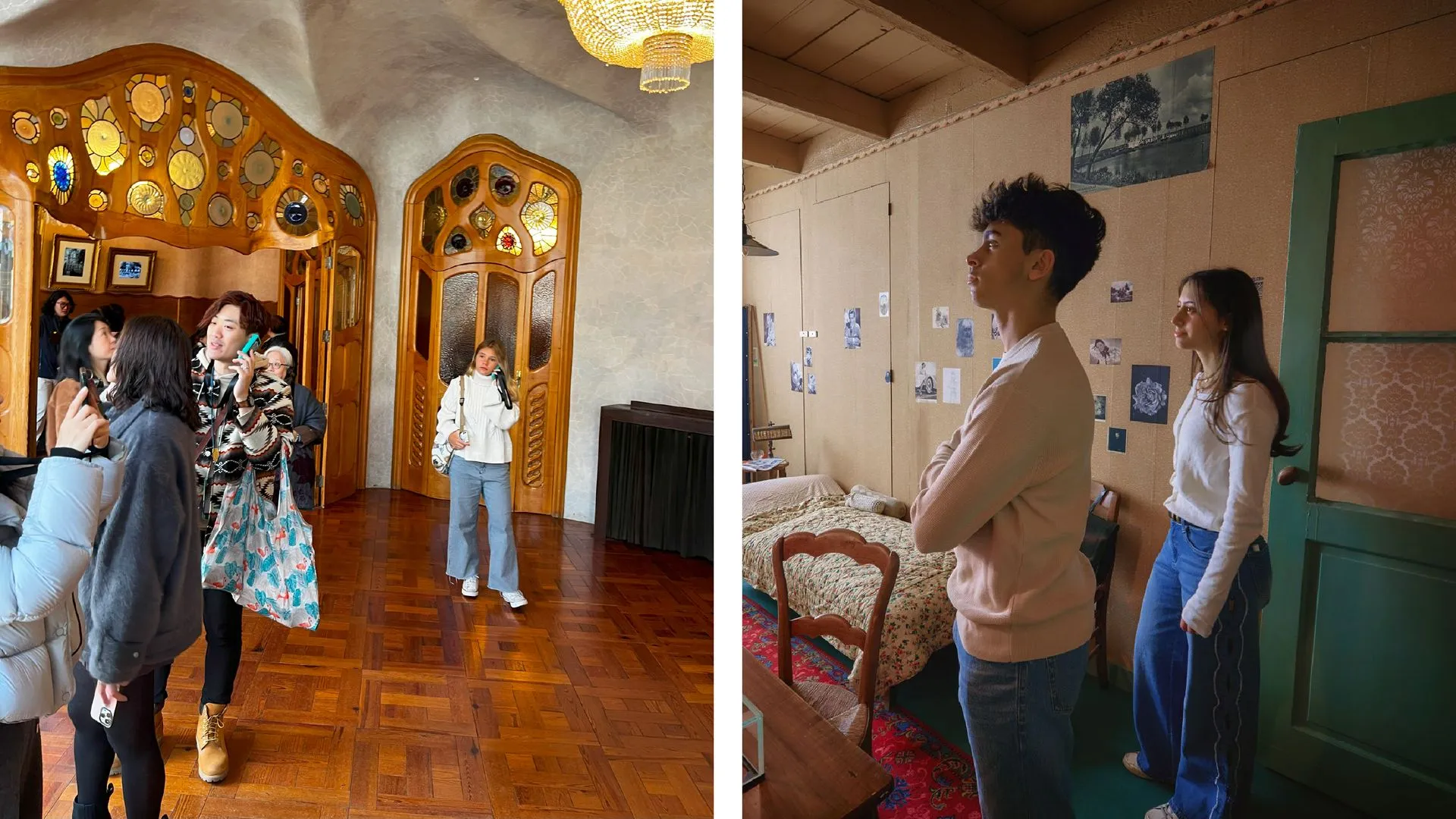
This is especially powerful for institutions serving diverse international audiences. Casa Batlló in Barcelona, for example, welcomes visitors from around the world and offers its tour in 15 languages. Combined with Podcatcher Pro’s automatic playback capabilities, multilingual content can be delivered smoothly without adding unnecessary complexity for staff.
Another example is the Anne Frank exhibition in New York, where an additional customised tour was created for teenagers, using language and storytelling designed specifically to connect with a younger audience.
Turning Stories into Memorable Visits
With an in-house editing tool, creative teams can create, adjust, and personalise tours efficiently, adding richer detail and shaping content around the needs of different audiences.
When your stories are carefully crafted and tailored to the people listening, a simple museum visit can transform into something far more meaningful and memorable.
Because in the end, you’re not just offering a tour. You’re creating an experience that connects, inspires, and helps your cultural space truly stand out.
Tourism is booming. No matter where you go, every place has a story to tell. Millions of people around the world are eager to dive into adventure and uncover the secrets of towns, landmarks, museums, nature parks, and more. Whether on foot, by bus, or by boat, everyone is excited to explore.
Group tours are more popular than ever. You’ll find city walking tours led by companies or passionate individuals who simply love narrating the stories of their surroundings. There are boat tours cruising along rivers and canals, offering a completely different perspective of a city. And, of course, there are historical sites with thousands of years of stories to share.
Each of these experiences has the potential to be unforgettable and deeply connect people with history—or they can fall short and leave visitors with more questions than answers. But what does that depend on?
At first glance, a group tour might seem simple: follow the guide, pay attention, and enjoy the experience. In reality, however, the interaction between the guide and the group involves overcoming several barriers. And it’s not simply about the guide doing a good job. It is a full circle of elements working together to make the experience truly great.
Can Everyone Hear the Guide?
Let’s start with something fundamental: making sure every member of the group can hear the guide clearly. Without a device that allows everyone to listen, chances are only a few people will catch the entire message. Unless the guide speaks at around 70 to 75 decibels—roughly the volume of a raised voice—not everyone may hear clearly. In a noisy outdoor environment, even greater volume may be needed, quickly putting unnecessary strain on the guide’s voice.
With that in mind, the value of a dedicated group tour guide system becomes clear. It benefits not only visitors but also the guide. A high-quality audio guide system can deliver clear communication in both indoor and outdoor settings, helping reduce distractions and improve engagement throughout the tour.
Now, let’s imagine you already have a great device. Your tours are gaining popularity and suddenly you have guests arriving from different countries—but your tour is only available in one language.
One solution is to offer separate tours in different languages. Analyse which languages are most popular among your visitors and provide two or three tour schedules based on that data. Hint: there’s already a device on the market that can help track this information—and its colour is green.
Nowadays, one language is rarely enough. Don’t be afraid to open the doors to your global audience, expand your language selection, and create a more inclusive experience for international visitors.
A User-Friendly Experience
By now, it’s clear that we need a device capable of delivering the guide’s voice clearly and that offering tours in different languages can be an important part of the experience. But what happens when your audience includes people of all ages?
How do you explain to a child or an elderly guest how to set everything up? Which button should they press? Which track should they select? How should they use the headphones? Repeating these instructions for 15 or 20 people before every single tour can quickly become exhausting. It’s certainly possible, but it isn’t exactly seamless.
That’s why it’s important to choose a tour guide system that is user-friendly for visitors of all ages. A simple setup helps the tour begin smoothly and reduces interruptions, confusion, and unnecessary technical assistance.
Not Every Audio Guide Will Do
If one thing is clear, it’s that having the right hardware is crucial for group tours. With the right system, your message can be heard, understood, and enjoyed by everyone.
Now comes the real question: which device should you choose?
There are audio guides that work through visitors’ smartphones. But this may not always be the most user-friendly option for children or older visitors. And as a tourist, the last thing you want is to watch your smartphone battery disappear during a long day of exploring.
Then there are dedicated handheld devices with headphones. These can simplify the experience, but there are still important questions to ask. Does the system deliver high-quality audio? Is it genuinely easy to use? How many visitors can join the same group? And does it include audio guide analytics that allow you to understand how your tour performs?
When choosing an audio guide system for groups, the key factors are clear: quality, accessibility, and ease of setup. The ideal device should support multilingual content, deliver crystal-clear audio, and be simple for almost anyone to use. That’s exactly the thinking behind the Podcatcher Pro.
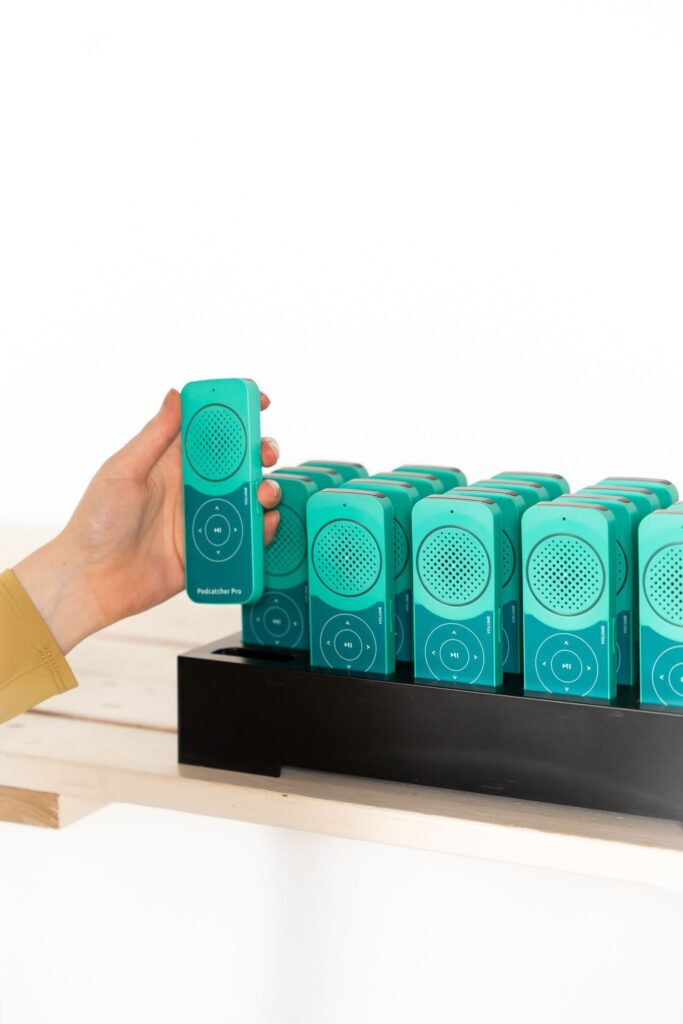
Our green buddy isn’t just a self-guided audio guide; it also operates in a dedicated group tour mode. It delivers high-fidelity audio and can connect up to 128 devices in one group. That’s a very large tour. Personally, we haven’t seen many groups of that size—but if it happens, the system is ready for it.
It works both indoors and outdoors, with a range of up to 50 metres inside and up to 300 metres outside. That outdoor range is roughly comparable to the height of the Eiffel Tower, giving guides and groups plenty of freedom to move through larger spaces.
How Do You Keep Your Tour Inclusive for International Guests?
The tour guide can choose between live narration and pre-recorded content. During a live tour, the guide speaks in their own language while standard pre-recorded tour stops can complement that narration and play in each visitor’s selected language.
At the start of the tour, each visitor simply pairs their device with their preferred language. From there, they are ready to follow the experience from beginning to end.
And the setup? It couldn’t be much easier. Visitors place their Podcatcher Pro next to the guide’s unit. Once they feel the familiar “bzzzz,” the device is paired and ready to go.
Why Does the Podcatcher Pro Stand Out?
There are plenty of tour guide devices on the market—that’s true. But how many bring together as many capabilities as the Podcatcher Pro? We’ll let you be the judge.
The strength of the Podcatcher Pro lies in the fact that it does more than amplify a guide’s voice or deliver audio content. It can also help track tour performance by analysing visitor behaviour, including popular stops, the number of people following a tour, and preferred languages.
These audio guide analytics give you data that can be used to shape, refine, and improve future tours based on how visitors actually interact with the experience.
Technology is moving quickly, and we’re proud to develop products that empower the cultural and tourism sectors. Tools such as the Podcatcher Pro are designed to make technology serve the experience, helping guides and organisations deliver memorable moments to their visitors.
Our Mission: Create Lasting Experiences
Our main focus is to encourage moments where people of all ages, from all corners of the world, can enjoy group tours and cultural experiences in a way that leaves a lasting impression. We want to help museums, heritage sites, tour operators, and cultural organisations shine—not only through the stories they tell, but through the quality of the experience surrounding those stories.
We continue to use technology in our favour to remove barriers and make those experiences easier to create, manage, and enjoy.
So, Are You Ready for It? Let’s Take Down the Barriers and Let the Stories Speak.
Have you ever thought about what an audio guide for children in a museum really represents? In many ways, it is the museum’s first invitation to children, saying:
“Hey! Join this experience. A museum visit is also for you.”
“Museums are not only for adults, and museum visits are not boring.”
“Look at how many interesting things you can learn.”
“Welcome. This is a place where your imagination will love to explore.”
A Better Way to Engage Young Minds
Traditionally, museums place an introductory text in each exhibition room. However, for obvious reasons, not every child can—or wants to—read it. This is where creative teams come into play. Should we give children a kid-friendly brochure? Should we create a dedicated room just for them? These can all be valuable initiatives, but the solution we truly believe in is a kids’ audio tour.
A kids’ audio tour allows children to enjoy the museum visit together with their families. There is no need for a special area just for them. Instead, they can explore right next to their parents and become part of the same experience the adults are having.
It teaches children to be present, to look closely, and to pay attention to the stories being told. Most importantly, it shows them that museums are places for kids too: fun and entertaining spaces where they can discover completely new worlds.
I remember the first time my nephew used an audio guide. He was five years old, and it happened during a visit to a castle. He was completely captivated by the experience of pointing the device and hearing a story unfold.
At one stop, the guide talked about the castle dungeon, where “bad people” or people in debt were once kept. I remember him asking his mom, “Mommy, do you think kids who behaved badly were also brought here?” I suppose he could easily imagine himself in that situation.
Looking back a few years later, that moment reveals just how powerful an audio guide can be. It made him pay attention, reflect on what he heard, and connect the story to his own world.
So yes, an audio guide can be a powerful tool for museums that want to invite children into the experience and encourage them to learn, imagine, and connect with the stories around them.
Designing an Audio Guide Children Will Love
With a few simple principles in mind, you can take full advantage of your audio guide and turn it into a favourite museum device for younger visitors. So, what are the key factors that make an audio guide appealing to children?
Inviting
An audio guide for children should feel inviting, simple, and easy to use. The technology should encourage them to engage with the experience rather than complicating it. The easier it is to understand, the faster children can focus on exploring the museum itself.
Independence
Independence benefits both children and their parents. A device that allows children to explore at their own pace and choose when and what they want to listen to gives them a sense of control over the experience. At the same time, parents can enjoy their own visit instead of constantly managing or setting up the content for their children.
Interesting
Engaging content is the main hook for retaining children’s attention. Keep explanations concise, use a voice that resonates with younger listeners, and choose vocabulary that is easy to understand and memorable. Shorter audio stops can help maintain momentum and curiosity throughout the tour.
Interactive
An interactive audio guide makes a museum tour more exciting and fun. You can achieve this by asking questions during the narration, encouraging children to search for specific objects in the exhibition, or using Podcatcher features such as games and quizzes.
How Do Games and Quizzes Work with the Podcatcher?
When creating a tour, you can use different layers of content to make the experience more playful and interactive. One exciting option is adding quizzes or short surveys directly into the tour using the Tour Editor. This allows tour creators to turn ordinary stops into interactive moments where children can listen, think, and respond.
At selected stops, children can be asked a multiple-choice question. They answer by pressing the arrow buttons on the Podcatcher, making the interaction feel more like a game than a lesson. Each interactive moment begins with a short introduction followed by the question.
Once a child selects an answer, the Podcatcher plays an audio response linked to that choice. If the answer is incorrect, the question can be repeated so they can try again. When they choose the correct answer, the game moves on.
This feature is ideal for children’s museum tours because it can be used for quizzes, fun facts, trivia, or even treasure-hunt-style challenges. It keeps children curious, active, and involved throughout the experience.
To make the tour even more exciting, the smart scoring feature can track how many answers are correct. At the end of the tour, children receive a score, and the Podcatcher’s Smart Center lights up to show their result. This adds a sense of achievement and helps transform the museum visit into a rewarding adventure rather than simply a walk-and-listen experience.
By incorporating these ideas into your children’s audio tour, you can create an extraordinary experience for younger audiences. This approach helps children learn by being present and introduces them to the magic of real-world experiences without adding another screen to the constant technological buzz surrounding younger generations today.
Make Your Museum a Place of Learning and Presence, Where Children Feel Excited to Participate and Eager to Return
If you’d like to learn more about introducing games and quizzes using the Podcatcher, feel free to reach out to us. We’ll be happy to guide you through the possibilities and help you create an engaging audio tour for your youngest visitors.
Have you ever been wandering through an exhibition with a museum audio guide in hand when, suddenly, the tour seems to activate on its own and the narration begins to play? It feels a little like magic. But there is technology working behind the scenes. Spoiler: it’s not Wi-Fi, and it’s not magnetic attraction either—well, not quite.
This connection between a visitor’s location and the audio narration is made possible by beacons. You may already be familiar with the term, or perhaps this is your first introduction. Either way, let’s get everyone on the same page.
In today’s chapter of our audio guide series, we’re diving into beacons. No, not bacons—sorry if we made you hungry. We’re talking about the technology that helps museum audio guides respond intelligently to a visitor’s location.
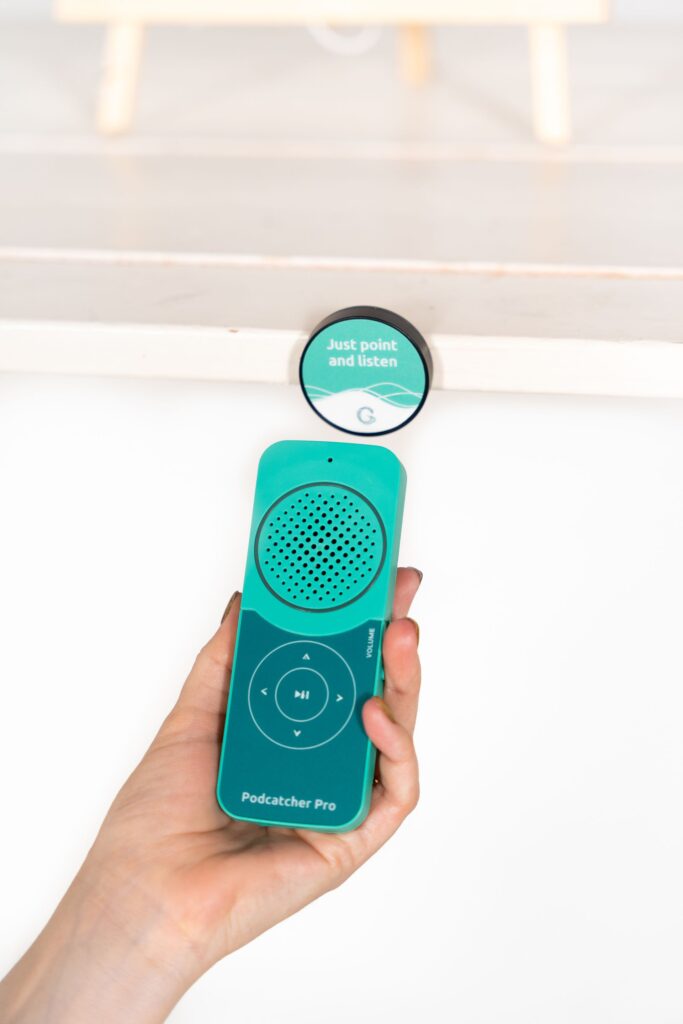
Beacons are small wireless devices that transmit a signal to nearby compatible devices. Think of them as tiny digital lighthouses: instead of sending out light, they send out a digital “ping” that an audio guide such as the Podcatcher Pro can detect. When the Podcatcher receives that signal, it can trigger an action, such as playing an audio track about an exhibit, synchronising with video, or activating content in the visitor’s selected language.
Meet Our Beacons
Now that you know the basics, let’s explore the different types of beacons we work with. Depending on the layout, goals, and environment of your exhibition, you can choose the option that best fits your visitor experience.
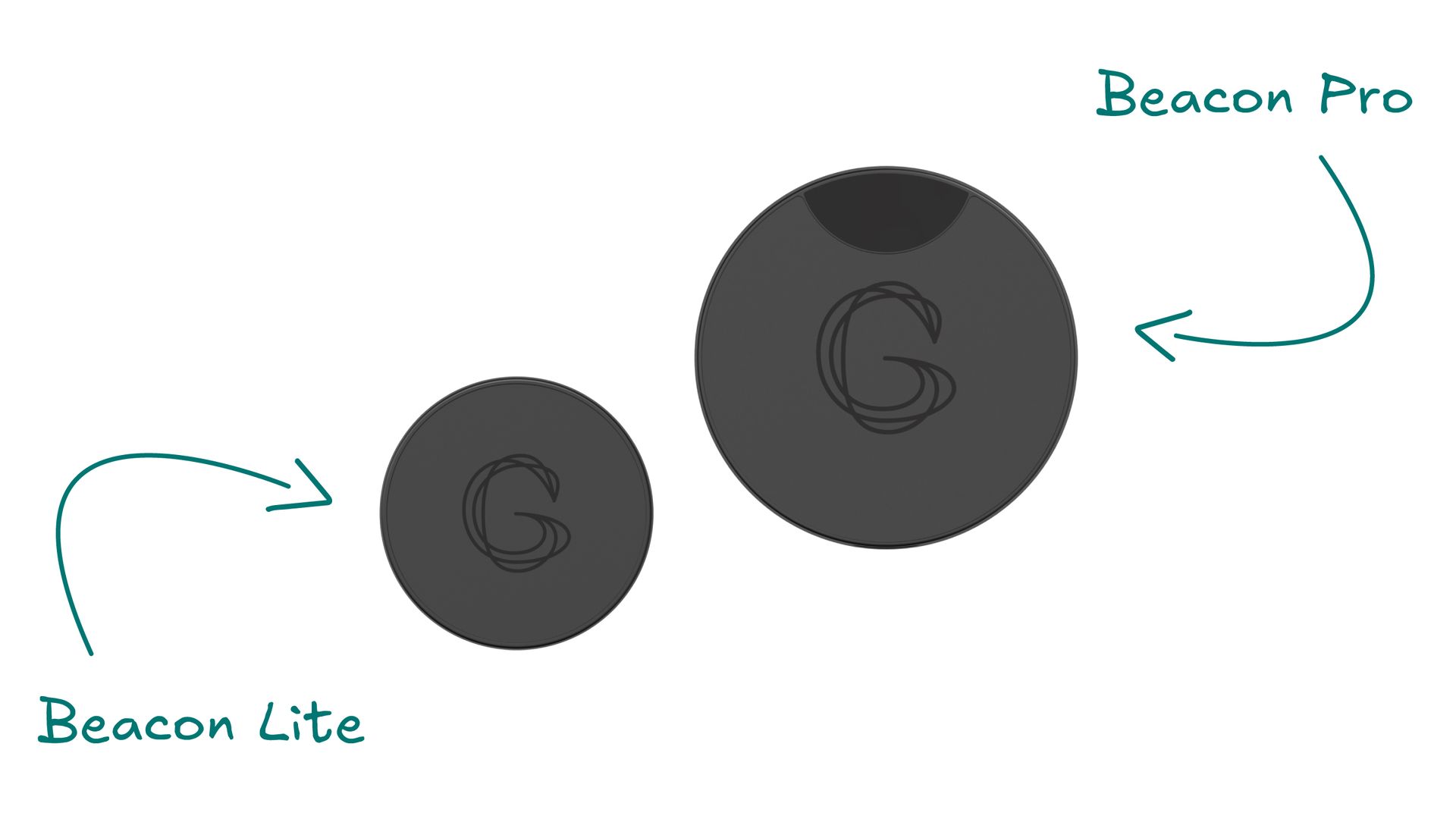
Beacon Lite – Tap and Listen
Beacon Lite is activated when a visitor points the Podcatcher towards it to trigger the audio at a specific tour stop. It uses Bluetooth Low Energy (BLE) technology to transmit a signal that the Podcatcher detects, making it a simple and intuitive solution for self-guided tours.
Beacon Pro takes the experience a step further. When the Podcatcher detects the beacon, it can automatically trigger a specific audio tour or story connected to the nearby point of interest. The Podcatcher can communicate with Beacon Pro at a short range of approximately 15 centimetres and across an extended range of up to 8 metres, allowing the system to support different types of automatic visitor experiences.
Beacon Pro Waterproof
Beacon Pro Waterproof is essentially the outdoor-ready sibling of Beacon Pro. As its name suggests, it is designed to withstand wet conditions, making it a strong option for outdoor exhibitions and visitor routes in spaces such as gardens, heritage sites, and zoos.
How Does Automatic Triggering Work?
Automatic triggering allows audio to start or stop as a visitor enters or leaves a defined area. Depending on the setup, the experience can even respond to a visitor’s position, creating a smooth and hands-free connection between movement and storytelling.
And when you synchronise audio with video, the visitor experience can go to another level.
Our AV sync feature allows audio to play in precise synchronisation with videos displayed on screens. Visitors hear the narration through the Podcatcher Pro while watching the video, preventing competing audio from overlapping or disturbing other people in the space—especially useful when several screens are installed in the same room.
It also means visitors can experience the same video in their preferred language without changing the visual content on screen. Multiple visitors can take part at the same time, each following the experience through their own Podcatcher Pro.
So, no more half-seen videos. Even when visitors enter midway through a presentation, the audio guide can help them connect with exactly what is happening on screen.
A World Full of Possibilities
When technology is used thoughtfully, the possibilities are nearly endless. Our clients demonstrate this every day, and we’re proud to share some of the ways they have integrated beacons into their exhibitions and visitor experiences.
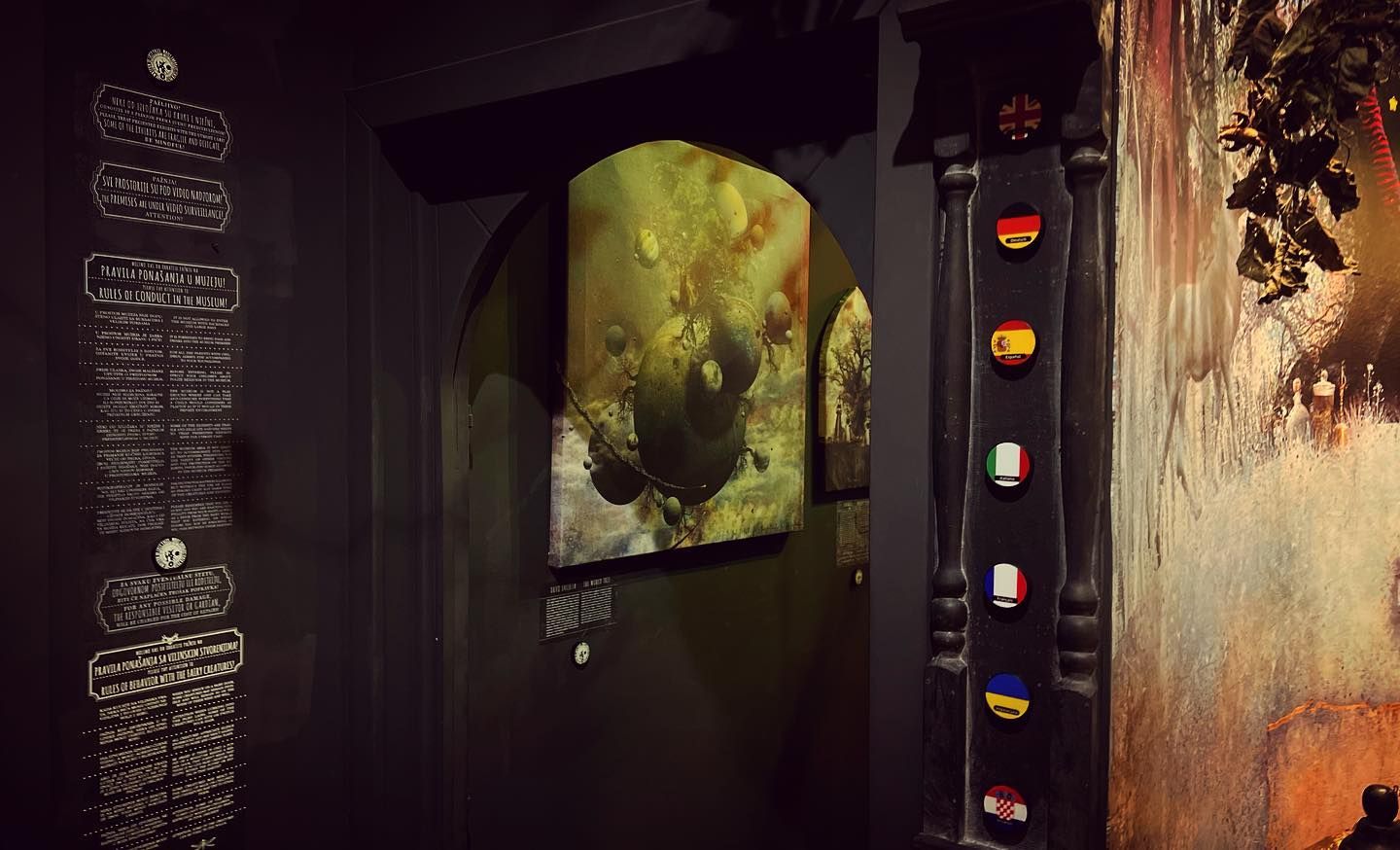
Museum of Lost Tales, Zagreb (Croatia)
The Museum of Lost Tales uses 145 beacons—yes, you read that correctly. A significant part of the exhibition revolves around storytelling connected to the details and decoration throughout the space. With thousands of individual elements supporting the narrative, visitors can spend more than four hours exploring the audio experience.
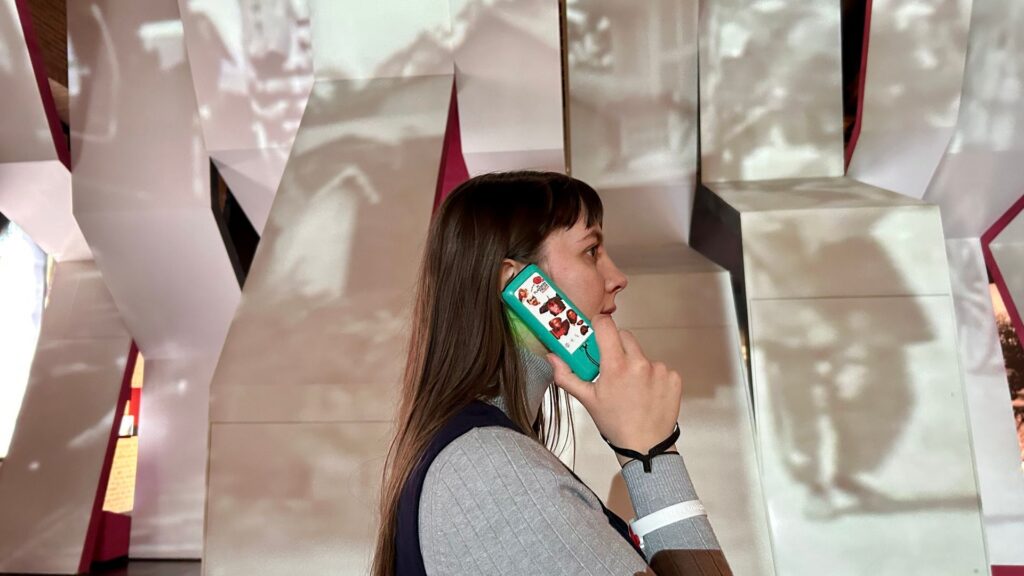
As part of its Paper Art exhibition, CODA Museum created a dedicated tour for blind and visually impaired visitors. Using automatic triggering with Beacon Pro, guests can move through the exhibition without needing to scan individual stops. Instead, narration activates automatically as they enter different areas, allowing them to explore at their own pace.
Grote Kerk, Naarden (The Netherlands)
In collaboration with XPEX, Big Orange, Coat 14, and Guide-ID, Grote Kerk created the Hemel op aarde (Heaven on Earth) tour. Coat 14 designed custom furniture with Guide-ID Beacon Pros hidden inside. For example, when visitors sit down on a bench, the automatic trigger activates and the audio begins to play. It is a simple but powerful way to create a seamless and immersive experience throughout the tour.
Whether you are working with audio, video, indoor installations, or outdoor visitor routes, beacons open up a fresh layer of interaction for exhibitions. They can help transform technology from something visitors actively operate into something that simply responds to the way they move through a space.
And no worries—the Bluetooth signals between the beacons are not plotting against your health and definitely are not responsible for your headaches. Internal joke intended.
Wrapping It Up
We hope this article has sparked your curiosity, cleared up some questions about how wireless beacon technology works, and made you feel more confident about using it in your own exhibition.
Want to learn more about integrating beacons into your space? Contact Guide-ID. We’d love to help you explore the possibilities and bring your next project to life.
How to Increase Museum Engagement with Audio Guides
Gaining real engagement today can be a challenge for museums and cultural spaces. The diversity of languages, ages, and interests makes it difficult to find the right approach for every visitor and truly connect with them.
But how can museums improve visitor engagement and offer a truly memorable experience? There are several important factors to consider, including identifying your audience, choosing the right type of content, determining the ideal tour duration, and selecting appropriate vocabulary and tone for your narration.
We’ve put together some helpful tips and tricks to show you practical ways to create deeper engagement in your museum or cultural space.
How Long Should Audio Guides Be?
Keeping audio stops concise is key. Extended narrations can cause visitors to lose interest or become distracted. Instead of aiming for five-minute audio tracks at every stop, consider adapting the duration to the type of experience you are creating:
Museum and art exhibitions (1–2 minutes): Keeps visitors moving and engaged while helping to avoid information overload.
Historic sites and monuments (1.5–3 minutes): Allows more space for deeper storytelling and historical context.
Outdoor walking tours (2–3 minutes): Accounts for different walking speeds and environmental distractions.
Children’s and family tours (30 seconds–1.5 minutes): Shorter content helps suit younger visitors’ attention spans while keeping the experience engaging.
TIP: Position Your Audio Stops Carefully
Place audio stops in easily accessible and logical locations. If visitors struggle to find or reach a stop, they are more likely to skip it, which can reduce engagement with the overall tour.
The Right Vocabulary, Tone, and Voice
A key part of helping visitors connect with your story is making sure they connect with the narration itself, whether through the vocabulary, tone of voice, or a combination of both. This matters because if your audience does not connect with the narration from the start, the story can quickly lose its impact.
Tailor your vocabulary to the personality of your exhibition and the audience you want to reach. For younger audiences especially, the right language can spark curiosity and encourage deeper engagement with the story.
TIP: Experiment with Voice and Sound
Experiment with different narration styles, voices, and background sounds to create a more immersive atmosphere. The right combination can help visitors feel part of the story rather than simply listening to information about it.
Let’s Be C-R-E-A-T-I-V-E
This is your chance to make your exhibition truly stand out. With today’s audio guide technology and digital tools, the possibilities are nearly endless.
Combine audio and video synchronisation. Deliver content through multiple senses to create a more complete and interactive visitor experience.
Know your audience. Create customised tours for different visitor groups, such as a standard tour, a children’s tour, or a special edition for temporary exhibitions.
Make your audio guide accessible. Include audio description for blind and visually impaired visitors so they can experience your exhibition in a meaningful and inclusive way.
Offer multilingual audio guides. With international tourism bringing increasingly diverse audiences into museums and cultural attractions, offering content in multiple languages helps more visitors connect with your stories.
Use AI to simplify your workflow. AI can help adapt scripts, translate content, generate narration, or support the creation of entirely new tours.
Add trivia and games. Encourage visitors to pay attention to the content and then test their knowledge in a fun and interactive way.
EXTRA TIP: Sometimes More Means Less
More screens and more digital distractions can sometimes lead to less engagement and less connection. Consider embracing the #SkipTheScreen mindset and encourage visitors to remain fully present in the moment with an audio-only experience.
How Can You Make All This Happen?
We’re not painting a fantasy world here. All of these ideas are real, practical, and achievable—and the tools to make them happen are already within reach.
The Key Lies in Combining the Right Hardware with the Right Software
This user-friendly audio guide device and powerful in-house platform allow you to create, manage, and customise your own content without extra suppliers, unnecessary costs, or additional production time.
Take Your Museum Engagement to the Next Level
If you’re curious to learn more about our audio guide solutions, feel free to reach out to us. You can also explore our Newsroom for more articles, ideas, and examples showing how audio guides can transform visitor engagement and museum storytelling.
We hope these tips have given you some inspiration for enhancing your exhibition and helped you feel ready to take your visitor engagement to the next level.
The concept of Bring Your Own Device (BYOD) in museums seems straightforward. Visitors bring their own smartphones, reducing the need for museum-provided hardware. Fewer devices can mean lower costs, less maintenance, and simpler logistics. In theory, this approach seems perfect. In practice, however, BYOD often introduces unexpected challenges.
First Barrier: Getting Visitors Started
Many museums aim for a seamless visitor experience: walk in, hang up a coat, store a bag, and enjoy the exhibits without bottlenecks or overwhelmed staff.
With BYOD, Visitors Often Face Multiple Steps Before Engaging With Your Content
Scan a QR code
Download an app
Accept permissions
Ensure internet access
Check that their battery has sufficient charge
Understand how the app works
Remember login credentials, such as passwords, PINs, or account details
Each step demands attention and patience. Every additional action increases the risk that visitors drop off before experiencing your story. Even when they complete every step, the smartphone itself may still compete for their attention through notifications and other apps.
Smartphones Are Not Neutral
A common assumption is that BYOD is easier because visitors already own powerful smartphones. Fewer museum-provided devices, simpler logistics, and a reduced operational burden can make this approach appealing.
However, the Real Challenge Shifts to Capturing Visitors’ Attention
Smartphones are designed to compete for attention. During a museum visit, that competition can come from:
Push notifications
Messaging apps such as WhatsApp
Social media platforms including Instagram, Snapchat, and TikTok
Email and calendar alerts
An audio guide asks visitors to focus on one thing: the story in front of them. A smartphone, by contrast, constantly asks for attention. That competition can undermine the immersive museum experience you are trying to create.
Maintenance and Long-Term Support
Introducing an App Is Only the Beginning
Maintaining an app over time can become a much bigger challenge. Museums need to consider:
Regular updates for iOS and Android
Compatibility across a wide range of devices
Changing app store requirements
Continuous technical support
Many digital projects do not fail at launch. The real difficulties can emerge years later through ongoing maintenance, operating system updates, and compatibility issues.
The Real Question: Attention, Not Technology
Ultimately, the key question for museums is not:
“What Technology Can We Add?”
But rather:
“What Technology Helps Visitors Remain Focused?”
And perhaps even more importantly: “How do we ensure visitors engage deeply with the story?”
Museums are competing with the entire attention economy, where smartphones, social media, messages, and digital notifications are constantly fighting for visitor focus. Technology should therefore be evaluated not only by what it can do, but by whether it supports or interrupts the visitor’s connection with the story.
Key Takeaways
BYOD reduces the need for museum-provided hardware but introduces new challenges around visitor attention.
Visitors may face multiple steps before they can engage with digital content.
Smartphones are inherently distracting and can compete directly with the museum experience.
App maintenance and long-term technical support require careful planning.
Museums should prioritise attention-first strategies rather than introducing technology simply because it is available.