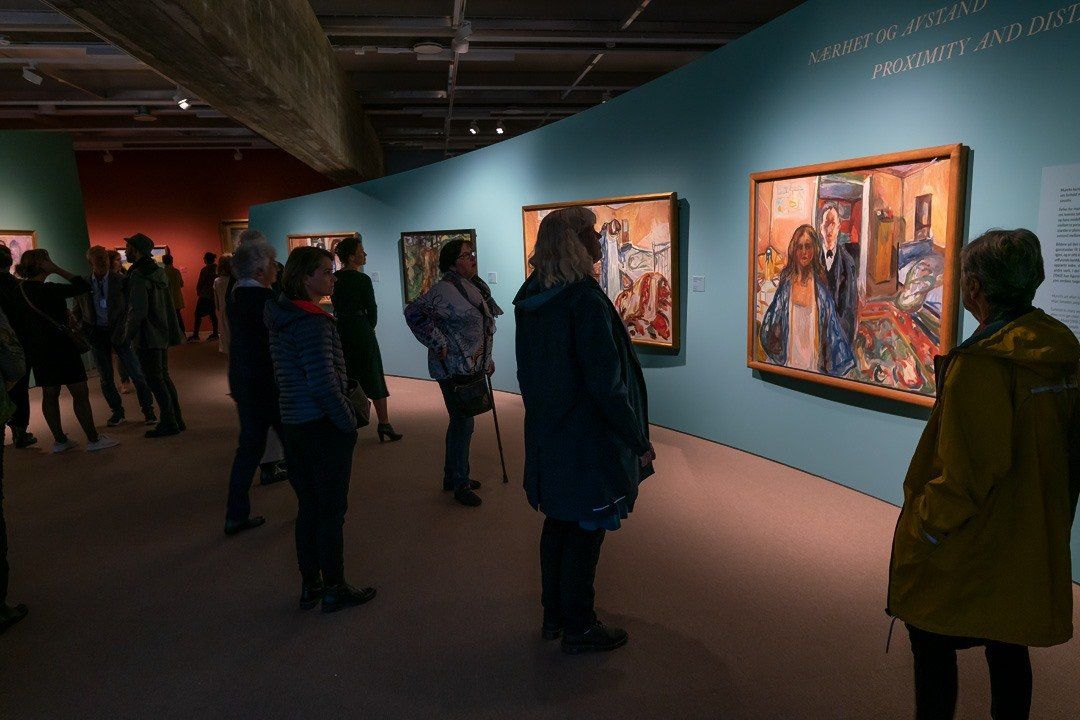
Image copyright © DOMUS Museum
DOMUS Museum of the Teutonic Order at Alden Biesen :
How audio storytelling helps to preserve history
Challenge
Create immersive and accessible storytelling that interprets complex histories with limited physical collections, while enriching visitor engagement and experience.
Solution
Guide-ID’s Podcatcher Pro: an easy-to-use audio guide designed for visitors of all ages, helping to support and deepen the storytelling of the exhibition.
Results
Improved visitor experience, deeper insights into visitor behavior, valuable data to optimize future exhibitions, and a flexible audio guide leasing model tailored to the museum’s needs.
Imagine Flanders 800 years ago, when Alden Biesen served as a land commandery, the regional administrative headquarters of the Teutonic Order for the Meuse-Rhine area, one of the most influential medieval orders in Europe. From here, estates, finances, and regional operations were managed for centuries.
Can you picture how much history has unfolded within these walls?
Today, Alden Biesen operates as a cultural, heritage, tourism, and events center under the Flemish Government. The estate hosts exhibitions, festivals, educational programs, and the DOMUS Museum, where visitors discover the history of the Teutonic Order and the legacy of the site itself.
As a museum operating with seasonal exhibitions, DOMUS also needed a flexible and accessible way to deliver its storytelling experience, a challenge that led the team to adopt Guide-ID's audio guide solution through a leasing model tailored to its operational needs.
DOMUS – The Museum of the Teutonic Order at Alden Biesen
At the heart of this historic estate stands an impressive late medieval castle, surrounded by French gardens and an English landscape park. Within this remarkable setting lies DOMUS – The Museum of the Teutonic Order at Alden Biesen.
The permanent exhibition offers a deep insight into the history of this influential crusader order. However, telling the story of Alden Biesen came with a challenge. Due to periods of war, economic decline, and the devastating fire of 1971, only a limited number of original collection objects have been preserved. As a result, storytelling became the ideal way to save and bring the history of Alden Biesen back to life in an immersive and engaging approach.
Through an audio guide, visitors listen to the personal stories of historical characters known as “silent companions.” Inspired by former inhabitants of Alden Biesen. While these characters guide visitors through centuries of life, the second part of the exhibition focuses on the earliest history of the Teutonic Order and its origins.
The Role of the audio guide at DOMUS
DOMUS opened its doors in the summer of 2025. Prior to that, exhibitions at Alden Biesen were organized only occasionally, with interpretation mainly provided through printed booklets and guided tours. As the museum developed, the team was looking for a tool that could strengthen storytelling around the history of the Teutonic Order and Alden Biesen through immersive narratives.
When looking for an audio guide, ease of use became a key requirement, due to a significant number of the museum’s audience consisting of older visitors. While QR codes were initially considered as part of the audio storytelling strategy, budget constraints and operational challenges related to accessible and secure Wi-Fi networks led the team to consider a dedicated physical audio guide system instead.
What attracted the organization to Guide-ID’s Podcatcher was its simplicity, flexibility, and ease of adaptation. This is where the Podcatcher Pro came to play an important role in the museum experience.
Today, the permanent exhibition is closely connected to audio narratives, to the point where the experience can hardly be imagined without it. In the basement, an audio drama created specifically to interpret the Crusades relies entirely on the audio guide system, making sound an essential part of how visitors engage with this chapter of history.
Working with Guide-ID’s leasing model
The first official opening season of DOMUS Museum ran from July 2025 to March 2026. This period allowed the team to experience first-hand the Podcatcher Pro system, observe changes in visitor behavior, and evaluate how the leasing model aligned with the museum’s operational needs and future exhibition plans.
As a museum operating with a seasonal opening period, flexibility was an important consideration. Combined with budget constraints and the relatively short timeframe available to establish the museum in 2025, Guide-ID’s leasing model proved to be a practical solution, allowing DOMUS to implement a high-quality audio experience without committing to a permanently owned system.
As Vanessa Vaes – Team leader at DOMUS Museum express:
“We are very satisfied with the decision to lease the audio guide solution rather than invest in a fully owned system. It allowed us to work efficiently and flexibly while still creating a high-quality visitor experience at Alden Biesen.”
Early achievements and key takeaways from the first opening season
The first operating season of the DOMUS Museum gave the team valuable insights into how everything works in practice, from daily operations to content and visitor behavior. These learnings are already helping to shape future exhibitions and improve the overall visitor experience.
Operational Flow
From an operational point of view, setting up the audio guide system took some initial effort, especially when uploading content and training new staff and volunteers. However, the system quickly proved to be very intuitive for visitors. It required little explanation and worked well for a wide range of audiences, including tourists and older visitors.
Tour Editor Platform
Another key advantage was flexibility. The platform makes it easy to update, expand, or adjust content without redesigning the entire exhibition. This allows the museum to keep refining and evolving its storytelling from one season to the next. Like developing more tailored educational content for schools and younger audiences, an area the museum plans to focus on more in upcoming exhibitions.
Visitor Data
The data helped the team better understand visitors’ expectations. Many visitors are looking for accessible, experience-based ways to explore the history of Alden Biesen, with clear audio guidance and layered storytelling. This confirmed the audio guide as a key part of the museum’s narrative approach.
Exhibition Experience
Visitor behavior also changed noticeably after introducing the Podcatcher Pro system. People explored the exhibition in a more personal way, choosing the stories and characters that interested them most. This supports the idea that layered storytelling can create a more engaging and individual visitor experience.
Vanessa Vaes adds:
“We have noticed a clear improvement in visitor engagement and in the overall flow of the exhibition experience. The audio guide system allows visitors to explore the exhibition at their own pace and creates a much more immersive and personal connection with the stories being told.”
One of the most noticeable outcomes was the amount of time visitors spent within the exhibition spaces. Visitors tended to stay longer and engage more attentively with the content, particularly with the stories of the “silent companions.”
Looking ahead, the DOMUS team increasingly sees possibilities beyond the current concept, opening opportunities for new storytelling formats and future visitor experiences.
Looking into the future
One of the most important lessons for the DOMUS Museum team was discovering how willing visitors are to engage with audio content when it is thoughtfully integrated into the visitor experience.
Vanessa Vaes recommends:
“We would definitely advise other museums and heritage sites to think of an audio guide system not simply as a practical tool, but as an integral part of the visitor experience and storytelling strategy. Especially for sites with complex histories or limited collection objects, audio can create a much stronger emotional connection and help bring heritage to life in an accessible way.”
The experience at DOMUS also highlighted the importance of carefully considering the narrative style and voices behind audio content.
Vanessa Vaes:
“Technology alone does not create engagement — it is the quality of the storytelling and the emotional connection with visitors that truly makes the difference.”
DOMUS Museum proves how audio can help heritage institutions keep historical narratives alive. Beyond preserving history, the goal is to make culture accessible, engaging, and meaningful for contemporary audiences, allowing visitors to learn about the past and connect with it in a more personal way.
For sites with complex histories or limited collections, storytelling becomes essential. And when supported by flexible audio experiences, those stories can continue to resonate with future generations.
Image copyright © DOMUS Museum
Increased visitor engagement
Visitor data insights that support future exhibition development
Flexible leasing model that adapts to operational needs
Ready to elevate your visitor experience?




Learn more about how our clients have improved their visitor experience
Stadtsmuseum Berlin
Henry Dunant Museum
Casa Batlló
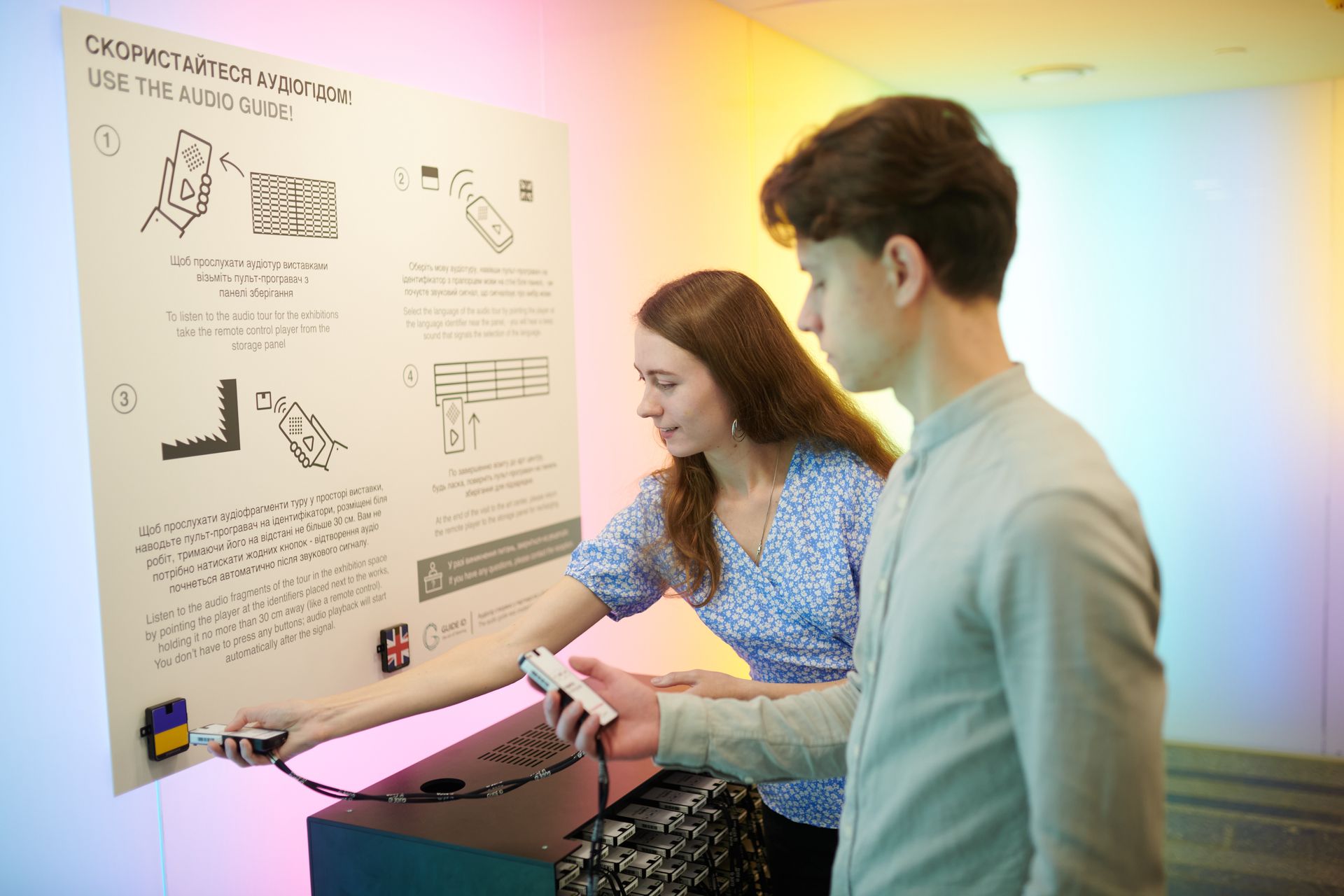
Pinchuk Art Centre
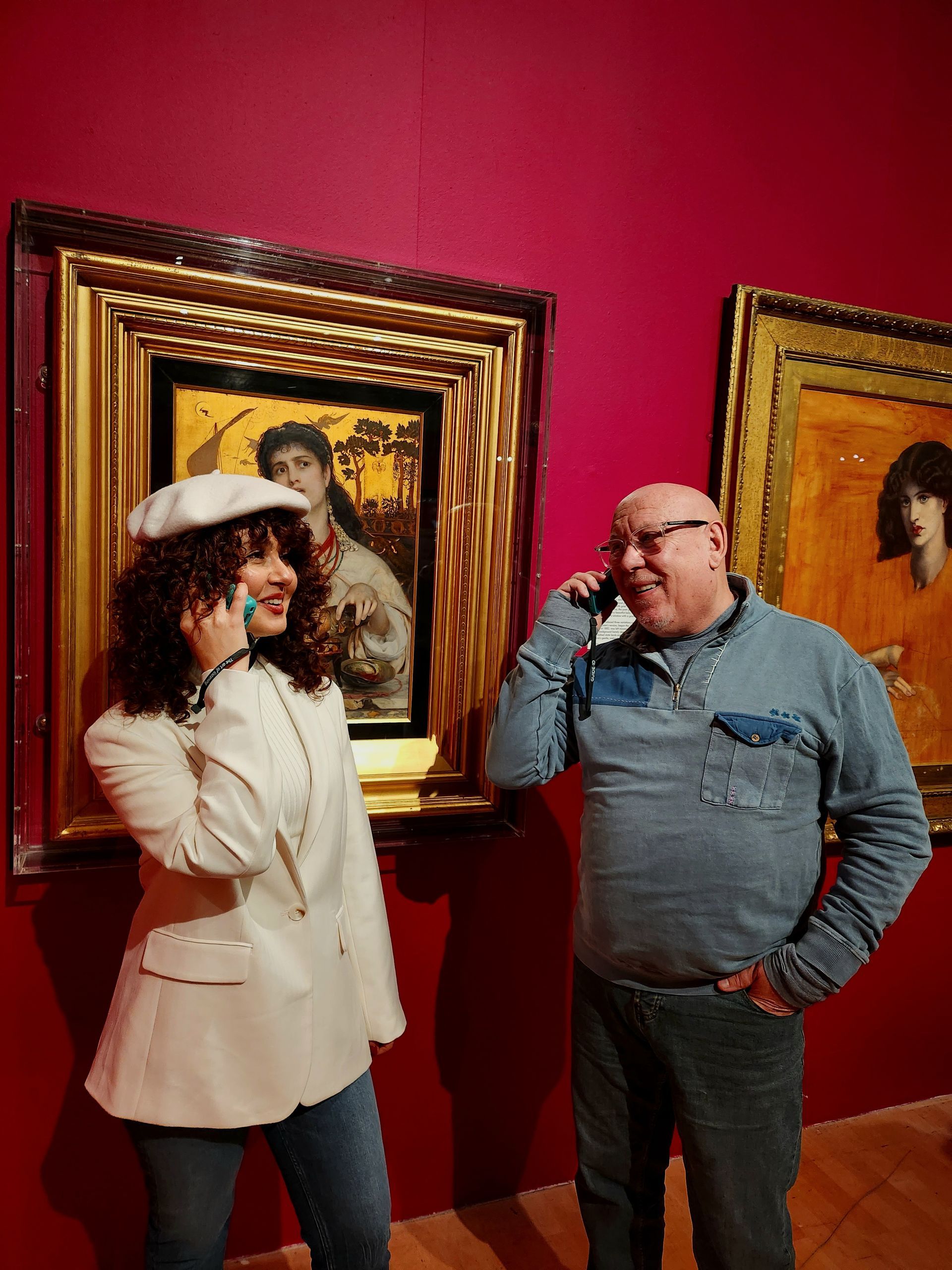
Birmingham Museums

USS Midway

Flanders Fields