
Anne Frank The Exhibition: Chicago
By Estefania Luther
Image copyright © Guide-ID
Last year Anne Frank The Exhibition left Europe for the first time, landing at the Center for Jewish History in New York. From January 27, 2025, to February 1, 2026, thousands of people walked through a reconstruction of the Secret Annex and stood in front of real items that once belonged to the Frank family.
Visitors could pick from three tours, a standard one, an in-depth one, and one built for students, and most people ended up going for the longer route instead of the quick option.
Our analytics platform showed that more than 95% of visitors completed the entire tour. That means almost everyone listened all the way through, and on average, took in most of the audio content at each stop. Numbers like that speak volumes about how engaged people really are with the exhibition.
The Podcatcher Pro was quietly doing its job the whole time, letting people point and listen and move on at their own pace. No screen holding anyone’s attention away from the actual Secret Annex sitting right in front of them.
Read more about Anne Frank The Exhibition in New York: Case Study – Anne Frank New York | Guide-ID
Second stop, Chicago
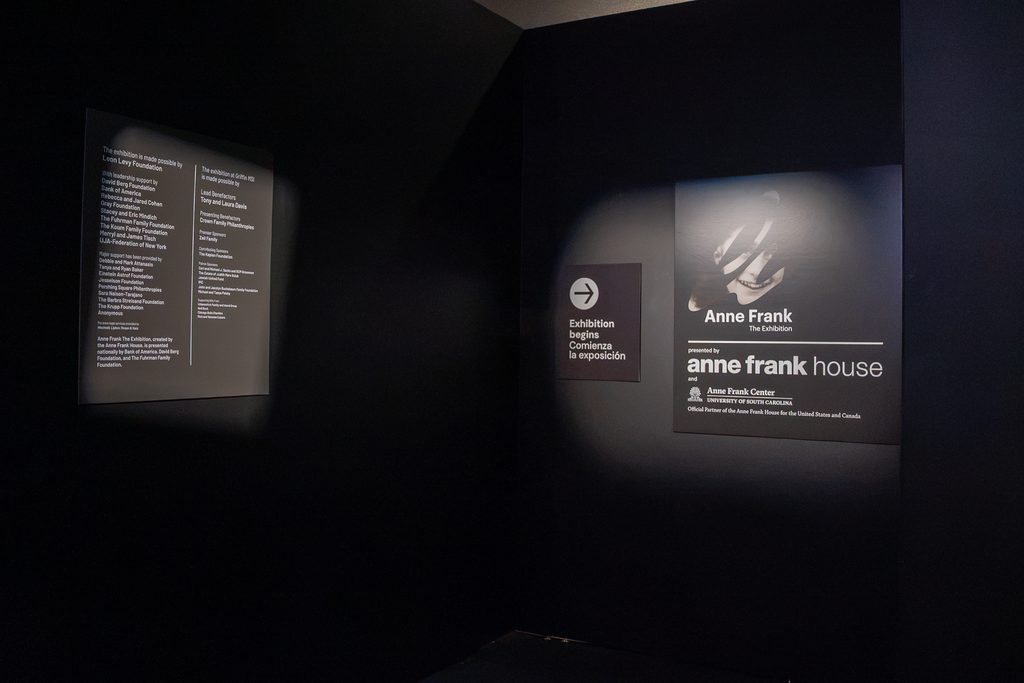
After New York was wrapped, the exhibition packed up and headed to the Griffin Museum of Science and Industry in Chicago, where it opened its doors on May 1, 2026.
The venue was bigger, the layout was different, and the demands that came with it were new, too, so the setup grew right along with it. The number of devices doubled, more A/V sync moments were added, and Spanish came in as a new language option. The Chicago edition also offered an adult tour alongside a student tour, giving younger visitors a way to experience the exhibition through content suited to their age group.
Even though Chicago is a different city with its own crowd and setup, the results so far have mirrored New York almost exactly, with completion rates landing in that same 95%+ range once again.
What these two cities are telling us
If we put the New York and Chicago editions side by side, a few things kept showing up in both places, and they’re worth pointing out.
People complete the tour. Nearly everyone stays with it from start to finish instead of drifting off halfway through.
Having choices is very important too. Visitors can go for different tour lengths and angles, whether that’s the deep dive or the student-friendly version, which means people end up picking what actually fits them rather than getting stuck with a one-size-fits-all experience.
And the screen-free approach keeps proving itself. Visitors are fully engaged, listening attentively without the distraction of phones or screens, creating a warm and focused atmosphere where people truly connect with the story and the experience.
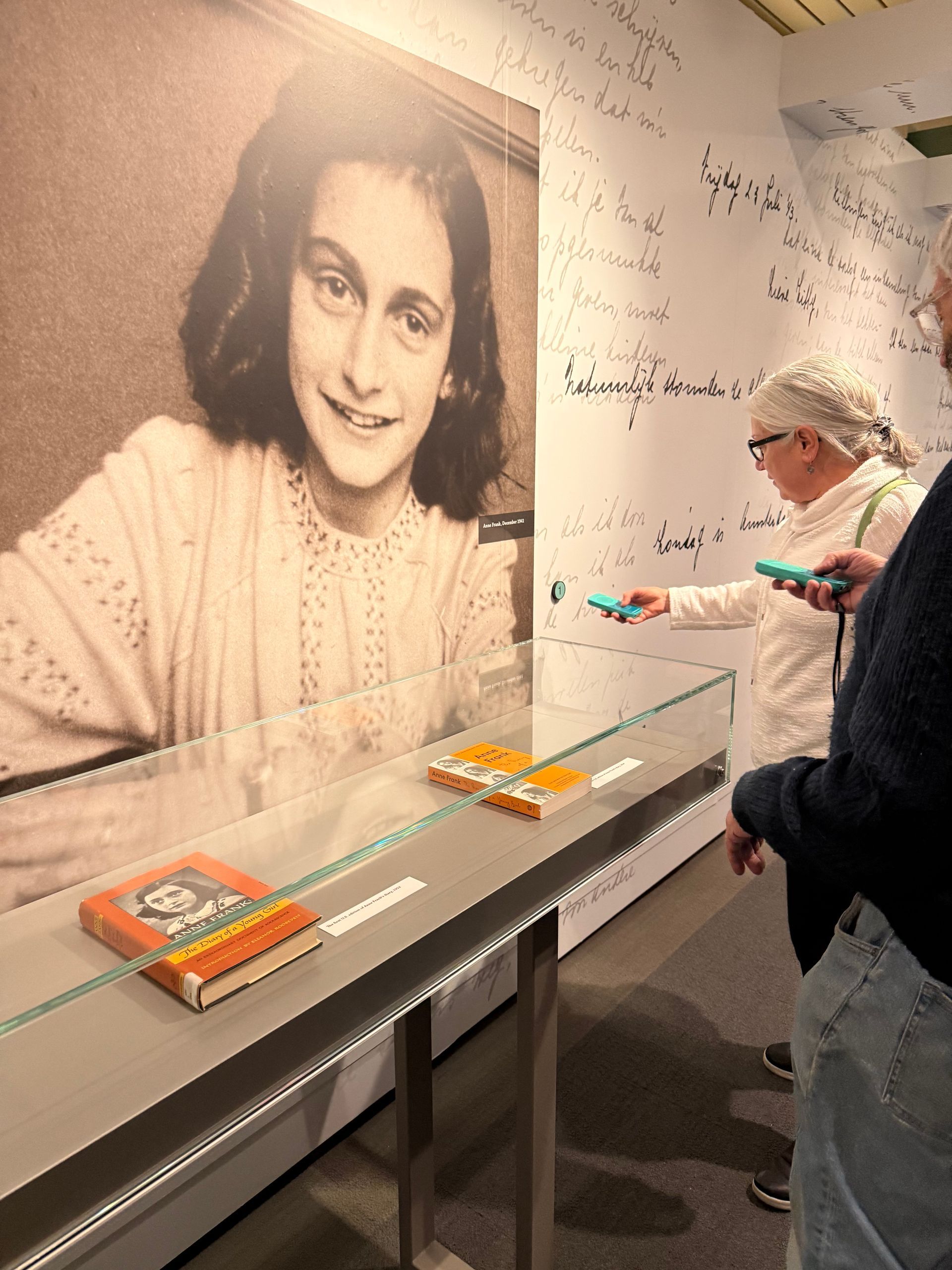
Image copyright © Guide-ID
Seamless operations for the team
The Podcatcher audio guide system is designed to streamline processes and operate efficiently for both the museum team and visitors.
Front-of-house staff barely need a script to get people moving; a few seconds of explanation is usually enough to show visitors how the audio guide works. That matters a lot when there’s a line building and a tour group already waiting behind them.
On the back-office side, the Tour Editor platform handles tour stops, content updates, device status, and analytics without requiring a technical background. All is managed in-house and available for them to check or update at any time.
And when it comes to travel logistics, because the whole setup is compact, moving it from state to state and setting it up at a new venue doesn’t become a logistical nightmare, which matters a great deal for a traveling exhibition that needs to be up and running quickly.
More than a decade of partnership
Guide-ID has worked with the Anne Frank Stichting for over 10 years now, starting with the Anne Frank House in Amsterdam, then New York, and now Chicago. Watching this partnership grow alongside the exhibition, city after city, is the kind of relationship we don’t take for granted.
The venue changes and the audience changes, but the story stays exactly as heavy and important as it’s always been, and a screen-free way of listening lets people give it their full attention instead of splitting it with a phone.
“We’re incredibly proud that our audio guides are helping visitors experience Anne Frank’s story in such a meaningful way. It’s a powerful reminder of why museums matter, preserving history, fostering empathy, and creating unforgettable learning experiences.”
Jeff Danziger, Sales Director North America
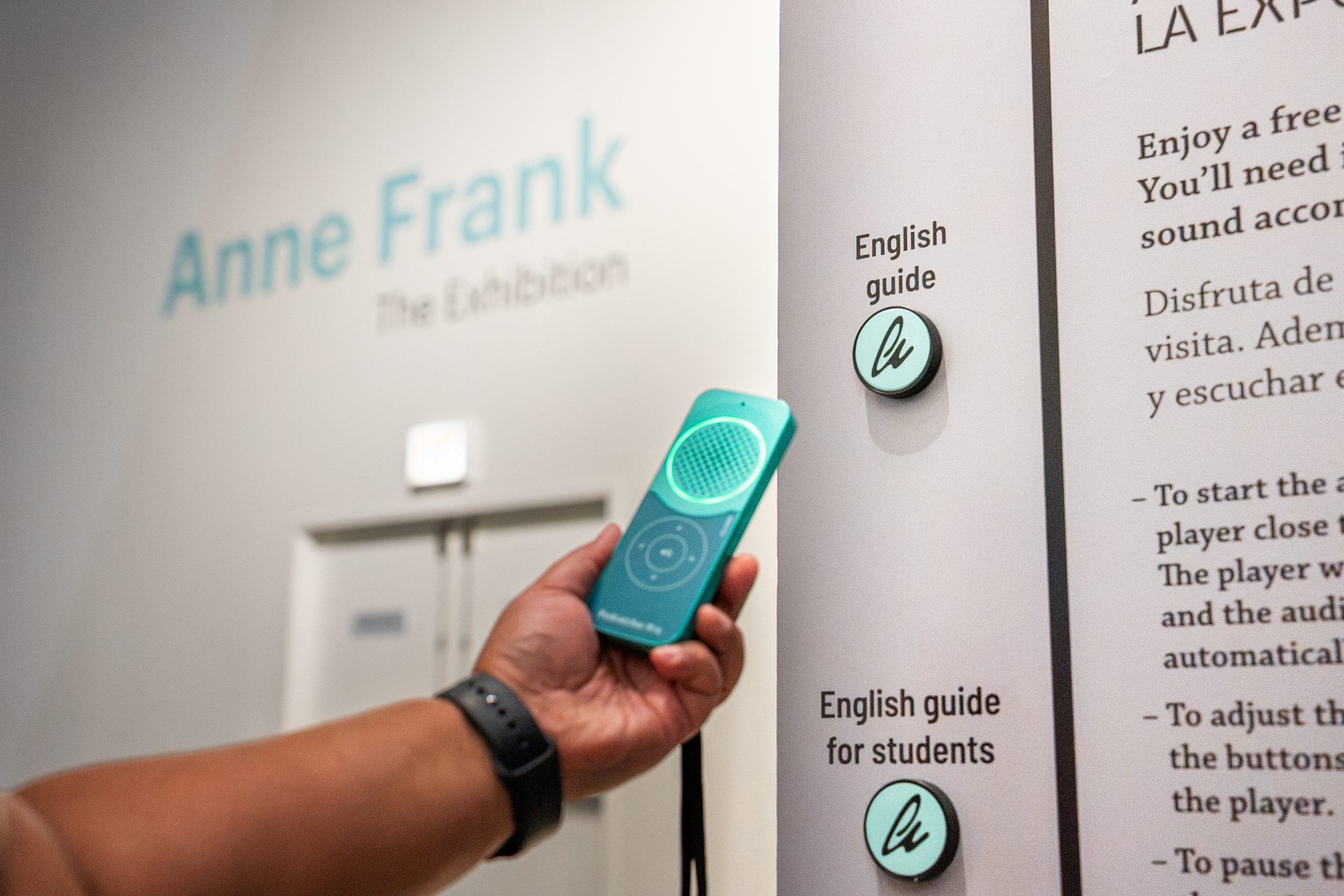
Image copyright © Guide-ID